

Transportation in Las Vegas can be a thrilling adventure in itself, as the city offers a variety of options to help you navigate its vibrant streets and iconic attractions. Whether you are a first-time visitor or a seasoned traveler, understanding how to travel Vegas effectively is crucial for maximizing your experience. In this complete guide to getting around Las Vegas, we will explore a range of transportation options available, from public transit systems to private services. You’ll discover practical insights into the Las Vegas transport guide, ensuring you know how to traverse the famous Strip and beyond with ease. We will delve into public transportation options like buses and trams, discuss private transport choices such as taxis and rideshares, and even highlight alternative means of getting around Las Vegas, including bike rentals and walking paths. Finally, we’ll provide essential tips for efficient transportation in Las Vegas, helping you to navigate the city like a pro. With this guide, you’ll be ready to embark on your Las Vegas adventure with confidence!
Transportation in Las Vegas: An Overview
When visiting Las Vegas, one of the first things to consider is transportation in Las Vegas. With its sprawling layout and world-famous attractions, efficient travel options are crucial for a smooth experience. Whether you’re planning to explore the iconic Strip, venture off the beaten path, or hop between casinos, understanding the various modes of transportation can significantly enhance your trip.
Why Transportation Matters in Las Vegas
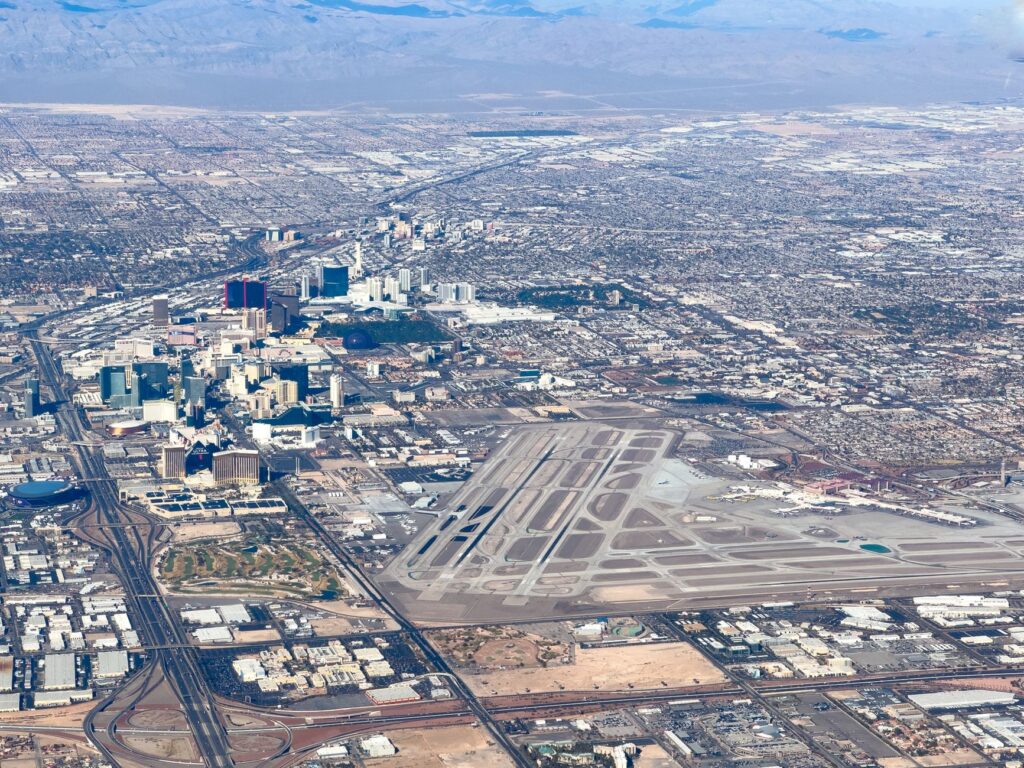
Las Vegas is known for its vibrant nightlife, extravagant hotels, and endless entertainment options. However, the distance between attractions can be deceptive. While it may seem like everything is within walking distance, the reality is that some destinations are quite spread out, making effective transportation vital. Relying solely on walking could lead to exhaustion, especially in the desert heat.
Catching a cab or rideshare service may be convenient, but costs can add up quickly. Public transportation options, like buses and trams, offer budget-friendly alternatives. Understanding how to travel Vegas efficiently will allow you to allocate more of your budget to experiences rather than commuting.
Key Factors to Consider
When it comes to getting around Las Vegas, keep these key factors in mind:
- Distance: Be aware of the distances between your accommodations and destinations. The Strip is about 4.2 miles long, and walking it can take time.
- Cost: Factor in the cost of transportation. Rideshares, taxis, and rental cars can vary significantly in price. Public buses are more affordable but may take longer.
- Convenience: Consider your schedule and convenience. Some options, like the monorail, are faster but may not cover every area you wish to visit.
Ultimately, a well-thought-out approach to transportation in Las Vegas can save you time and money. For those looking for a comprehensive overview, our Las Vegas transport guide provides detailed information on all available options, ensuring you are well-prepared for your adventure.
By understanding these factors, you’ll be better equipped to navigate the city, allowing you to enjoy all that Las Vegas has to offer without the stress of logistics. Happy travels!
Getting Around Las Vegas: Public Transportation Options
When it comes to transportation in Las Vegas, public options are convenient and affordable, making them a great choice for tourists and locals alike. Understanding how to travel Vegas can enhance your experience while saving you time and money. Let’s dive into the main public transportation options available in the city.
The Las Vegas Monorail
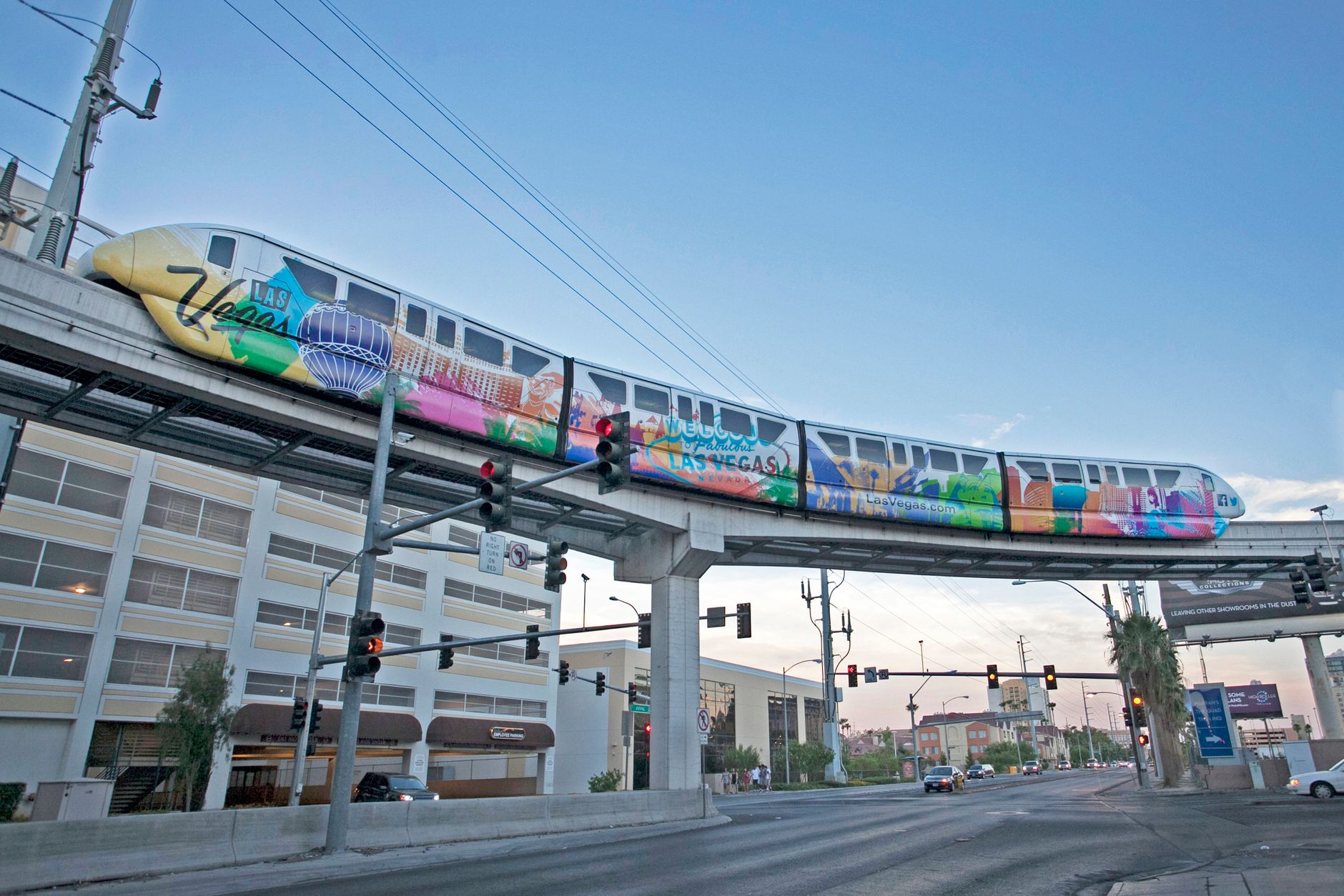
The Las Vegas Monorail is one of the quickest and most enjoyable ways to navigate the Strip. Stretching approximately 3.9 miles, it connects key points from the MGM Grand to the SAHARA Las Vegas, providing easy access to popular hotels and attractions along the way. With stops at major resorts, the Monorail is perfect for those looking to avoid the hassle of traffic and parking.
Operating daily from 7 a.m. to midnight, the Monorail runs every 4-8 minutes, ensuring that you won’t have to wait long for your ride. As for pricing, a single ride costs $5, while unlimited ride passes are available for 24 hours ($13), 48 hours ($23), or 72 hours ($29). Keep in mind that the Monorail is cashless, so be prepared to use a credit or debit card to purchase your tickets.

Buses and RTC Transit
The RTC (Regional Transportation Commission) operates a comprehensive bus system that serves Las Vegas and surrounding areas. The Deuce and the SDX (Strip and Downtown Express) are the two most popular routes for tourists. The Deuce runs 24/7 along the Strip and downtown, while the SDX offers faster service with fewer stops, making it ideal for quick trips.
Fares for RTC buses are quite reasonable; a 2-hour pass is $6, while a 24-hour pass is $8, granting you unlimited rides within the specified time. You can purchase passes at vending machines located at bus stops or on the bus itself. The RTC transit system provides a reliable way of getting around Las Vegas, especially if you plan on exploring beyond the Strip.
Using public transport not only saves you money but also reduces your carbon footprint, making it a smart choice for environmentally conscious travelers. For more insights on navigating the city’s transportation options, check out our Las Vegas transport guide, which offers detailed information on routes and schedules.
Whether you choose the Monorail or the RTC buses, public transportation in Las Vegas is a practical solution for getting around the city efficiently. Embrace the convenience and enjoy your time exploring all that Las Vegas has to offer!
Private Transportation in Las Vegas: Options and Insights
When you’re planning your visit to Las Vegas, understanding your private transportation options is crucial for a smooth experience. Whether you’re looking to hail a taxi, book a rideshare, or rent a car, each choice comes with its own set of advantages and disadvantages. Let’s explore how to travel Vegas efficiently.
Taxis and Rideshares
Taxis are readily available throughout Las Vegas, especially near hotels and popular attractions. They operate on a meter system, starting at around $3.50, plus additional charges per mile and for time spent in traffic. While taxis can be convenient, the cost can add up quickly, particularly during peak hours.
Rideshare services like Uber and Lyft have become increasingly popular for getting around Las Vegas. With competitive pricing and the ability to book rides through an app, they offer a modern and flexible alternative. However, during busy times, surge pricing can significantly increase fares. Both services provide a clear estimate of your ride cost before you book, making them a user-friendly choice.
- Pros of Taxis: Readily available, no need to download an app.
- Cons of Taxis: Can be more expensive during peak times.
- Pros of Rideshares: Convenient app-based booking, often cheaper.
- Cons of Rideshares: Potential surge pricing during busy periods.
Transportation in Las Vegas: Car Rentals
If you’re considering a longer stay or plan to explore beyond the Strip, renting a car might be the best option. Major rental companies like Hertz, Enterprise, and Budget have locations at McCarran International Airport and various hotels along the Strip. Renting a car allows you to explore at your own pace, but keep in mind that parking fees can be expensive at some locations.
The rental process typically involves presenting a valid driver’s license, credit card, and proof of insurance. Rates can vary widely based on the vehicle type and rental duration, generally starting around $30 per day. It’s wise to book in advance for the best deals.
For those who prefer a more relaxed experience, consider where to find rental agencies easily. Most hotels on the Strip have partnerships with rental services, making it easy to pick up and drop off vehicles without having to venture far.
Whether you choose a taxi, rideshare, or rental car, understanding your options for getting around Las Vegas can enhance your visit. With these insights into private transportation, you’re well on your way to navigating the city with ease.
Alternative Transportation Options in Las Vegas
When considering transportation in Las Vegas, many visitors often overlook some of the most enjoyable and efficient ways to get around. While taxis and buses are common, alternative transportation options such as walking, biking, and e-scooters can enhance your experience. These modes are particularly useful for exploring the vibrant atmosphere of the Strip and nearby attractions.
Walking and Biking
Walking is one of the best ways to soak in the sights and sounds of Las Vegas. The Strip is designed with pedestrians in mind, featuring wide sidewalks and numerous pedestrian bridges that allow you to safely cross busy streets. Enjoy the extravagant hotel lobbies, street performances, and public art installations as you stroll from one attraction to another.
If you’re interested in biking, Las Vegas has become increasingly bike-friendly. The city offers bike lanes and rental services, making it easy to explore at your own pace. A popular option is the Las Vegas Bike Share, where you can rent bikes from various stations across the Strip and return them at your convenience. Consider taking a ride along the Clark County Wetlands Park for scenic views and a bit of nature.
Getting Around Las Vegas: Scooters and E-bikes
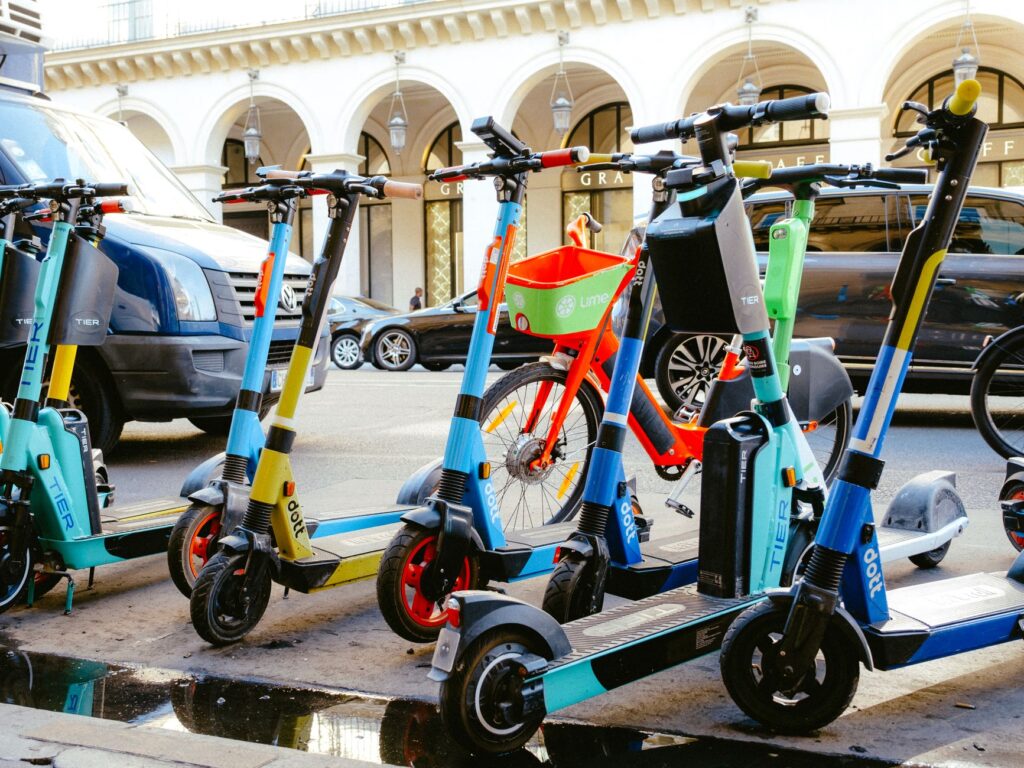
Another popular way to travel Vegas is through e-scooters and e-bikes. Companies like Lime and Bird provide easy-to-rent scooters and bikes, which can be found throughout the Strip and surrounding areas. To rent one, simply download the app, locate a nearby scooter or bike, and follow the instructions to unlock it.
When using e-scooters or e-bikes, safety should be your top priority. Always wear a helmet, follow traffic rules, and be mindful of pedestrians. Stick to bike lanes where available, and avoid riding on crowded sidewalks. For a fun ride, consider taking the scenic route along the Las Vegas Strip or through the Red Rock Canyon area for stunning views.
These alternative transportation options not only provide a fun way to explore but also help reduce congestion and promote a more sustainable travel experience. Whether you’re walking, biking, or scooting, you’ll find that transportation in Las Vegas can be both enjoyable and efficient.

Tips for Efficient Transportation in Las Vegas
Best Times to Travel
When considering transportation in Las Vegas, timing is key. Traffic can become congested during peak hours, particularly on weekends and holidays. If you’re looking to avoid the crowds, aim to travel during weekdays, especially early in the morning or late evening. Las Vegas is also known for its large conventions and events, which can significantly affect traffic patterns. Check local event calendars to plan your visit around these times.
Planning Your Route for Transportation in Las Vegas
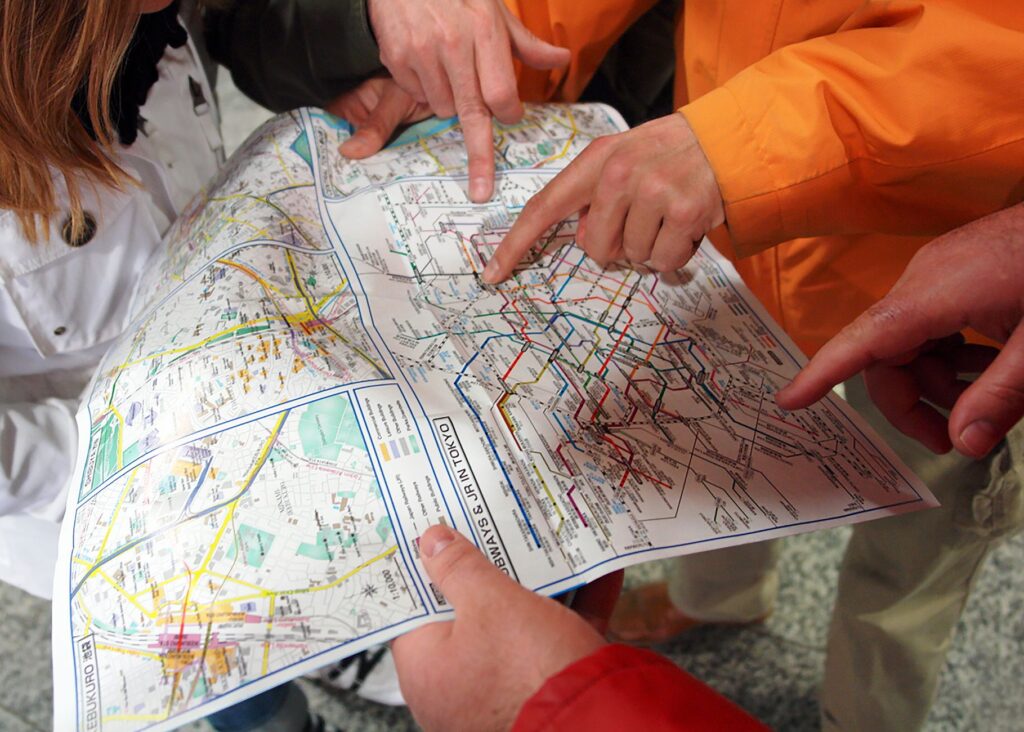
Knowing how to travel Vegas efficiently means planning your routes ahead of time. Utilize apps like Google Maps or Waze to get real-time updates on traffic conditions and find the quickest routes. These tools can help you avoid congested areas and suggest alternative paths if necessary.
For a more in-depth approach to getting around Las Vegas, familiarize yourself with the public transportation options available. The RTC (Regional Transportation Commission) operates a reliable bus system that can take you to major attractions along the Strip and downtown. You can also consider the monorail, a convenient way to traverse the Strip without the hassle of street traffic.
Combining different modes of transportation can offer the best results. For instance, you might take the bus to a particular area, then use rideshare services like Uber or Lyft for the final leg of your journey. This hybrid approach can save you both time and money, making your experience smoother.
Lastly, always have a backup plan. Traffic conditions can change rapidly, especially in a bustling city like Las Vegas. Keep your options open and be prepared to adapt as needed. For a comprehensive overview of public transport options, refer to our Las Vegas transport guide.
Understanding transportation in Las Vegas can truly enhance your experience in this vibrant city. With a mix of options, from the efficient monorail system to rideshare services, there’s something for every traveler. Whether you’re wondering how to travel Vegas with ease or exploring the ins and outs of getting around Las Vegas, you’ll find that navigating the Strip and beyond is straightforward.
For a comprehensive view, consult our Las Vegas transport guide to ensure you’re making the most of your time here. As you plan your trip, consider the various modes of transportation available, and choose what fits your style best. Now that you’re equipped with the knowledge of transportation in Las Vegas, it’s time to hit the road, or the monorail, and enjoy all the entertainment this city has to offer!
“`html
What are the best transportation options in Las Vegas?
The best transportation options in Las Vegas include rideshare services like Uber and Lyft, taxis, and the Las Vegas Monorail. For visitors looking to explore the Strip and downtown area, these options are highly convenient. Additionally, many hotels offer shuttle services to and from the airport. Renting a car is also an option, but parking can be expensive and limited. Overall, rideshares and the Monorail are popular choices for efficient transportation in Las Vegas.
How do I use the Las Vegas Monorail?
Using the Las Vegas Monorail is straightforward. First, locate one of the seven stations along the Strip, which are well-marked. Purchase a ticket from the vending machines or via the Monorail app. Once you have your ticket, simply tap it at the turnstile to enter. The Monorail runs every 4 to 8 minutes, making it a quick and efficient way to travel between major hotels and attractions. Be sure to check the operating hours, as they may vary.
Can I rent a car in Las Vegas?
Yes, you can rent a car in Las Vegas. Several major rental companies operate at McCarran International Airport and throughout the city. Renting a car can be a good option for those planning to visit attractions off the Strip, such as Red Rock Canyon or the Hoover Dam. However, be aware that parking fees can add up, especially on the Strip, so consider your itinerary and parking options before making a decision.
Is public transportation reliable in Las Vegas?
Public transportation in Las Vegas is generally reliable, with the Regional Transportation Commission operating buses that connect key areas. The Deuce and SDX buses run frequently along the Strip and downtown, making them easy options for getting around. While public transport may not be as fast as ridesharing or the Monorail, it is affordable and covers a wide area. For those looking to save money while exploring, it’s a viable choice.
How much do taxis cost in Las Vegas?
Taxi fares in Las Vegas start with an initial charge, usually around $3.50, plus a per-mile rate that varies depending on the time of day. A typical ride from the airport to the Strip can cost between $20 and $30, depending on traffic and specific locations. Additionally, there may be extra fees for airport pickups or other services. It’s always a good idea to ask the driver about estimated fares before starting your trip.
What is the best way for tourists to get around Las Vegas?
The best way for tourists to get around Las Vegas is often a combination of transportation options. Rideshare services like Uber and Lyft offer convenience, especially for direct trips. The Las Vegas Monorail is ideal for moving quickly along the Strip, while the public bus system provides an affordable choice for broader exploration. Walking is also a great way to experience the sights. For many visitors, a mix of these options creates an efficient way to navigate transportation in Las Vegas.
“`