


If you’re wondering about the best time to visit Las Vegas, you’re not alone. The city is a vibrant oasis in the desert, boasting an array of entertainment, dining, and nightlife options. However, timing your trip can significantly enhance your experience, especially when it comes to the weather. In this Las Vegas weather guide, we’ll break down the seasonal variations to help you choose the ideal time for your visit. We’ll also discuss when to visit Vegas for fewer crowds, allowing you to enjoy the famous attractions without the hustle and bustle. Plus, we’ll share valuable tips for enjoying the best Las Vegas weather while avoiding crowds in Las Vegas. Whether you’re looking for warm sunny days or milder temperatures, our article aims to help you find your perfect time to visit Las Vegas. Ready to plan your unforgettable getaway? Let’s dive in!
Understanding the Best Time to Visit Las Vegas
When planning a trip to Las Vegas, understanding the best time to visit Las Vegas is crucial for maximizing your experience. The city’s vibrant atmosphere is heavily influenced by both weather and crowds, making these factors essential components of your travel strategy. With its desert climate, Las Vegas offers unique seasonal variations that can significantly affect your enjoyment.
Why Weather Matters in Las Vegas
Las Vegas weather varies dramatically throughout the year, with scorching summers and mild winters. To ensure you enjoy pleasant temperatures and clear skies, refer to a Las Vegas weather guide for seasonal insights. The peak tourist season typically runs from March through May and September through November, when temperatures are moderate, making it an ideal time for outdoor activities and exploring the famous Strip.
During the summer months, particularly July and August, temperatures can soar above 100°F (38°C), which may deter outdoor enthusiasts. Conversely, winter, especially December and January, can be quite chilly, with daytime highs averaging in the mid-50s°F (around 12°C). If your goal is to enjoy the outdoors, consider planning your visit during the spring or fall for the most comfortable weather.
The Impact of Crowds on Your Experience
In addition to weather, understanding crowd patterns is essential for a seamless trip. Knowing when to visit Vegas can help you avoid long lines and packed venues. Major events, conventions, and holidays can significantly increase foot traffic, particularly during weekends. If you prefer a more relaxed atmosphere, aim for mid-week visits or the shoulder seasons (late fall and early spring) when tourists are less prevalent. This approach not only enhances your experience but also allows for more opportunities to enjoy the city’s attractions without feeling rushed.
Ultimately, finding the best time to visit Las Vegas involves balancing pleasant weather with crowd considerations. By planning accordingly, you can enjoy the best of what this iconic city has to offer while avoiding the stress of large crowds.
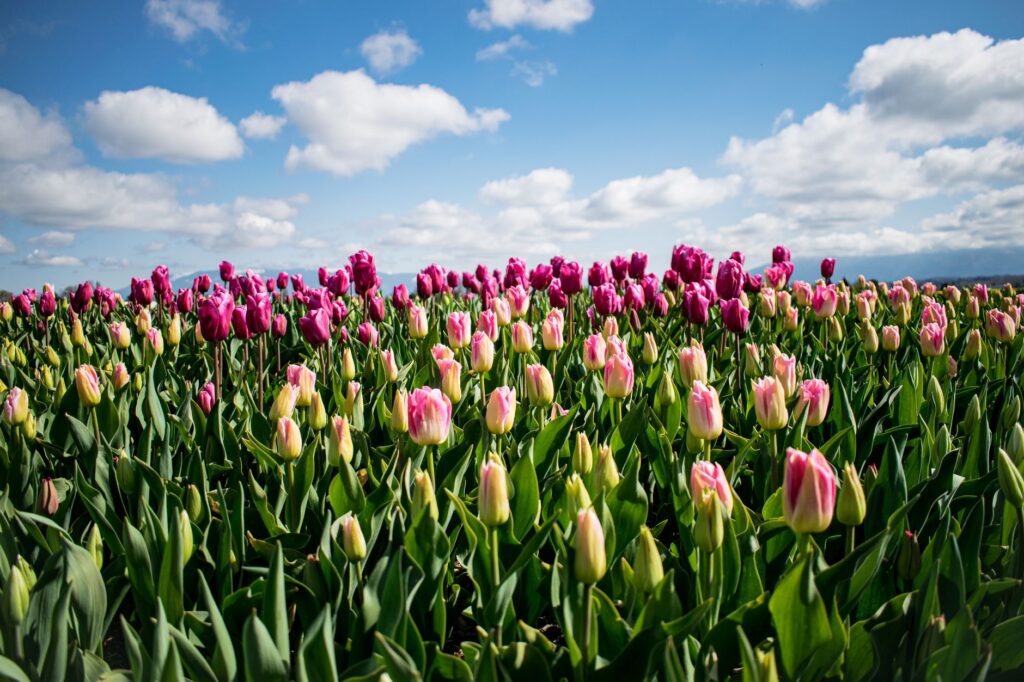
Las Vegas Weather Guide: Seasonal Breakdown
Spring: Mild Temperatures and Blossoms
Spring is one of the best times to visit Las Vegas, typically from March to May. During this season, temperatures range from the mid-60s to mid-80s °F (around 18 to 29 °C), making it ideal for outdoor activities. Visitors can explore the beautiful Las Vegas Springs Preserve or enjoy the blooming desert flora at the Red Rock Canyon. Rain is rare, with average precipitation below 1 inch per month, allowing for plenty of sunshine and pleasant days.
Summer: Heat and Peak Crowds
Summer months, especially June through August, bring scorching temperatures that can exceed 100 °F (38 °C). While this might deter some travelers, it also coincides with peak tourist season. If you plan to visit during this time, be prepared for the hustle and bustle of the Las Vegas Strip. Many visitors flock here for the nightlife, pool parties, and festivals. However, if you prefer avoiding crowds in Las Vegas, consider planning your trip during the early summer or late August when tourist numbers start to dwindle.

Fall: Ideal Weather and Events
Fall, from September to November, is another fantastic time to visit, often regarded as one of the best times to visit Las Vegas for great weather. Temperatures cool down to the 70s and 80s °F (21 to 29 °C), making it perfect for outdoor events and sightseeing. The famous Las Vegas Food and Wine Festival and the Life is Beautiful Festival take place during this season, showcasing the city’s vibrant culture. With less rain and fewer tourists, you’ll find it easier to enjoy the many attractions without the summer crowds.
Winter: Cooler Weather and Fewer Tourists
Winter in Las Vegas, from December to February, offers cooler temperatures, averaging between 40 and 60 °F (4 to 15 °C). While it’s not as warm as other seasons, it’s still a good time to visit for those who prefer milder weather. The holiday season brings festive decorations and events to the Strip, and with fewer tourists, you’ll enjoy a more relaxed experience. This season is perfect for traveling on a budget, as hotel rates often drop significantly.
Each season in Las Vegas has its own charm and offerings. Whether you’re seeking warmth or a quieter atmosphere, knowing when to visit Vegas can enhance your experience. Remember, the best time to visit Las Vegas for great weather is often in spring and fall, making these months ideal for those who want to enjoy both outdoor activities and local events.
When to Visit Vegas for Fewer Crowds
Finding the best time to visit Las Vegas can be a challenge, especially if you’re looking to avoid the hustle and bustle that often accompanies this vibrant city. By strategically planning your trip during off-peak times, you can enjoy a more relaxed experience while still soaking up the fabulous Las Vegas atmosphere.
Identifying Off-Peak Times
The best time to visit Las Vegas for fewer crowds generally falls between mid-January and mid-February, as well as during the summer months of July and August. While summer can be quite hot, many families choose to travel during this time, resulting in a temporary decrease in crowds.
Additionally, weekdays tend to be less crowded compared to weekends. If your schedule allows, consider planning your visit from Monday to Thursday. These days often feature lower hotel rates and more availability at popular attractions, allowing you to explore without the long lines.
For a more comprehensive understanding of when to visit Vegas, consult a Las Vegas weather guide to identify favorable weather conditions along with crowd patterns.
Events and Festivals to Avoid
<pWhen planning your trip, be mindful of major events and festivals that draw large crowds. For example, events like the Consumer Electronics Show (CES) in January and the Electric Daisy Carnival (EDC) in May can attract thousands of attendees, creating an influx of visitors in the city. The same goes for significant holidays such as New Year’s Eve and Memorial Day weekend, which are notorious for heavy tourist traffic.
By avoiding these high-traffic times, you can ensure a more enjoyable experience, making it easier to navigate the Strip, dine at your favorite restaurants, or catch a show without the overwhelming crowds. A little planning can go a long way in enhancing your visit to this iconic city.
Remember, when it comes to avoiding crowds in Las Vegas, your timing can make all the difference. So consider these tips as you plan your trip and discover the best time to visit Las Vegas for an unforgettable getaway.
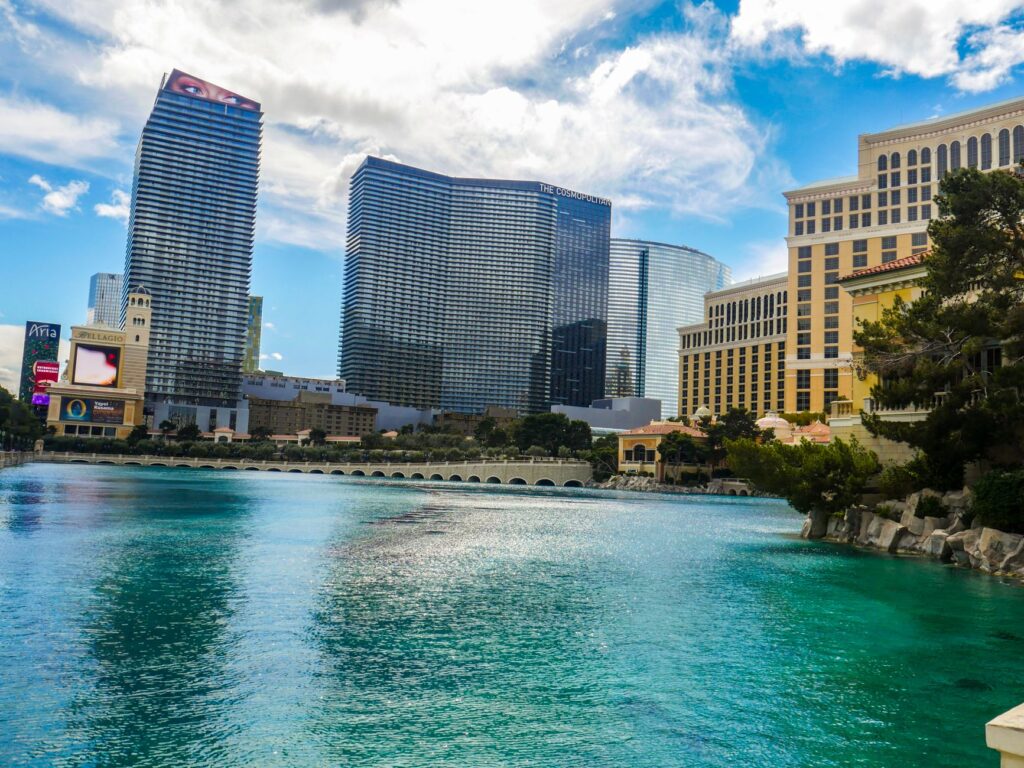
Tips for Enjoying Las Vegas Weather and Avoiding Crowds
When planning your trip, understanding the best time to visit Las Vegas can significantly enhance your experience. Here are some actionable tips for enjoying the weather while steering clear of the crowds.
Planning Your Itinerary for the Best Time to Visit Las Vegas
Timing your activities is essential. Early mornings and late evenings are ideal for outdoor explorations, especially during the warmer months. Consider scheduling activities like a stroll down the Las Vegas Strip or a visit to Red Rock Canyon during these cooler times. High temperatures can make outdoor activities uncomfortable, so checking a Las Vegas weather guide before heading out can help you plan accordingly.
Additionally, weekdays are generally less crowded than weekends. If you want to experience the excitement without the throngs of tourists, plan your visit from Monday to Thursday. This is particularly advantageous for dining and shows, as you’ll have better availability and shorter wait times. For shows, booking tickets for matinees can also help you avoid larger evening crowds.
Booking Accommodations Strategically
When considering when to visit Vegas, choose your accommodations wisely. Staying off the Strip can lead to lower prices and less congestion, while still keeping you close to major attractions. If you prefer a hotel on the Strip, consider booking during the less popular months, like January or February, when the weather is mild and crowds are thinner.
Another tip is to look for hotels that offer amenities like pools or spas, which can provide a relaxing break from the heat during the day. Many resorts have outdoor spaces that are perfect for enjoying the pleasant evenings, allowing you to unwind while avoiding the daytime heat.
By planning your itinerary around the cooler times of day and strategically booking accommodations, you can enjoy the best of Las Vegas without the hassle of large crowds. For more tips on avoiding crowds in Las Vegas, check out local resources.

Conclusion: Finding Your Perfect Time to Visit Las Vegas
Determining the best time to visit Las Vegas can feel overwhelming, especially with the city’s diverse climate and varying crowd levels throughout the year. Whether you’re drawn to the vibrant nightlife, world-class entertainment, or outdoor adventures, your ideal timing hinges on your personal preferences regarding weather and the desire to avoid crowds in Las Vegas.
As outlined in our Las Vegas weather guide, spring (March to May) and fall (September to November) emerge as the most favorable seasons for visitors seeking mild temperatures, typically ranging from the mid-70s to low 80s Fahrenheit. These months not only offer pleasant weather but also fewer tourists compared to the peak summer months when temperatures can soar above 100°F.
For those who are flexible, the winter months can be an excellent option. While temperatures can drop to the 40s at night, daytime highs still hover in the comfortable range, and you’ll find significantly reduced crowds. This is particularly beneficial if you prefer a quieter experience and are willing to layer up during the cooler evenings.
Ultimately, the best time to visit Las Vegas depends on what you value most. If warm weather and bustling energy appeal to you, summer months may be your go-to. Conversely, if you prioritize comfort and avoiding crowds in Las Vegas, consider planning your trip for the shoulder seasons. Remember, every season has its own charm, and with a little research, such as consulting our Las Vegas tourism site, you can tailor your experience to suit your needs.
As you plan your trip, keep these factors in mind: personal comfort with weather conditions, crowd levels, and the types of activities you want to enjoy. By aligning your preferences with the insights shared, you’ll be well on your way to discovering the best time to visit Las Vegas for an unforgettable experience.
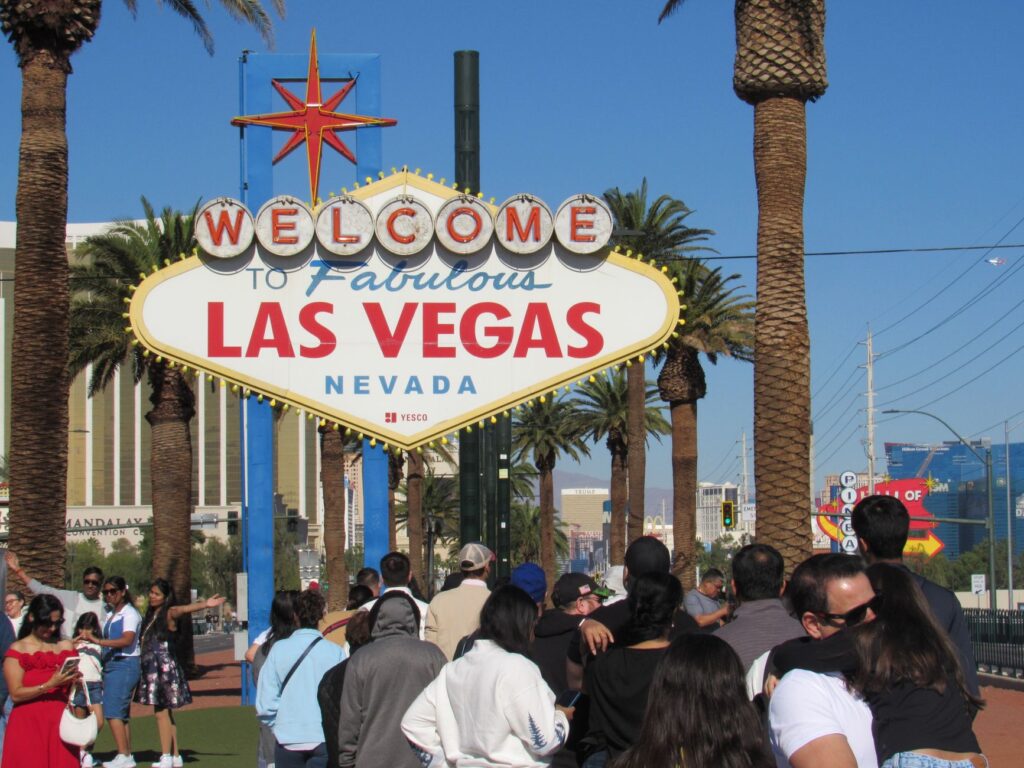
Ultimately, the best time to visit Las Vegas hinges on your personal preferences and what you hope to experience. If you want to enjoy mild temperatures while exploring outdoor attractions, consider visiting during the spring or fall. These seasons not only offer pleasant Las Vegas weather but also provide opportunities for avoiding crowds in Las Vegas, allowing for a more enjoyable experience.
As you plan your trip, refer to a reliable Las Vegas weather guide to help you choose the optimal time for your visit. Whether you’re looking for the best time to visit Las Vegas for outdoor adventures or vibrant nightlife, knowing when to visit Vegas can significantly enhance your trip. Start making your plans today, and get ready for an unforgettable experience in this dazzling city!
“`html
What is the best time to visit Las Vegas for good weather?
The best time to visit Las Vegas for good weather is during the spring and fall months, specifically from March to May and September to November. During these periods, you can expect mild temperatures, with daytime highs ranging from the mid-70s to mid-80s Fahrenheit. This pleasant weather allows for outdoor activities and exploration without the intense heat found in the summer months.
When should I visit Vegas to avoid crowds?
To avoid crowds in Las Vegas, consider visiting during the mid-week days, particularly from Tuesday to Thursday. Additionally, the months of January and February are typically less busy, as well as the scorching summer months when many tourists prefer to stay away from the heat. These times provide a more relaxed experience, allowing you to enjoy the attractions without long lines.
What months have the best weather in Las Vegas?
The months with the best weather in Las Vegas are generally from March to May and September to November. During these times, temperatures are comfortable, averaging between 70°F and 85°F, making it ideal for outdoor activities and exploration. If you want to enjoy the Las Vegas Strip or nearby attractions, these months provide the perfect balance of warmth without being too hot.
Is Las Vegas crowded in the summer?
Yes, Las Vegas tends to be crowded in the summer months, especially from June to August. This is peak tourist season due to school vacations and numerous events. However, the extreme heat, with temperatures often exceeding 100°F, can deter some visitors. If you choose to visit during this time, plan indoor activities or enjoy the nightlife when temperatures cool down.
How does weather affect my Las Vegas trip?
The weather in Las Vegas can significantly affect your trip. Pleasant temperatures during spring and fall allow for a variety of outdoor activities, such as pool parties and sightseeing. Conversely, extreme summer heat can limit outdoor plans, making indoor attractions more appealing. Understanding the Las Vegas weather guide will help you plan accordingly and ensure a more enjoyable experience.
What are the off-peak times for Las Vegas?
Off-peak times for Las Vegas typically include the months of January, February, and mid-week days throughout the year. During these periods, you can find lower hotel rates and less crowded attractions. Visiting during these times offers a chance to explore the city at a more leisurely pace while still enjoying all the entertainment options available.
“`