


When considering the best times to visit Las Vegas, it’s essential to understand the unique blend of weather and events that the city has to offer throughout the year. Las Vegas travel seasons can greatly influence your experience, whether you’re drawn to the excitement of major events or the allure of milder weather. This guide will walk you through the peak season when Las Vegas is at its best, highlighting the vibrant atmosphere and bustling crowds. Additionally, we will explore the shoulder season, a hidden gem for travelers seeking a more relaxed experience, and the off-peak season, which may raise questions about its value. With insights from the comprehensive Las Vegas events calendar and essential tips for planning your trip, you’ll be well-equipped to make the most of your Las Vegas adventure. Plus, understanding the nuances of Las Vegas weather will help you pack appropriately and enjoy your stay to the fullest.
Understanding the Best Times to Visit Las Vegas
Timing your visit to Las Vegas can significantly enhance your experience, whether you’re there for the glitzy shows, world-class dining, or vibrant nightlife. Choosing the best times to visit Las Vegas involves understanding both the travel seasons and the local weather, as these factors can deeply influence your trip. While Las Vegas is a year-round destination, the experience varies widely depending on when you arrive.
Las Vegas Travel Seasons Overview
Las Vegas travel seasons can generally be classified into three categories: peak, shoulder, and off-peak. Peak season, which runs from late spring through early fall, attracts the largest crowds. This is when you’ll find the highest hotel rates and the most significant number of events. For example, major conventions and festivals tend to fill the Las Vegas events calendar during this time, making it a bustling hub for visitors.
The shoulder seasons, which occur in spring and fall, offer a more balanced experience. You can enjoy pleasant weather, fewer crowds, and better hotel rates, especially from mid-April to early June and September to November. Finally, the off-peak season, primarily in winter, can be an attractive option for budget travelers. While the weather can be cooler, you’ll find exceptional deals and a more relaxed atmosphere.
Weather Considerations for Your Trip and the Best Times to Visit Las Vegas
Understanding Las Vegas weather is crucial for planning your trip. Winters can be chilly, with daytime temperatures averaging in the 50s°F (10-15°C). However, summers are notoriously hot, often exceeding 100°F (38°C), making outdoor activities less appealing. If you’re not keen on extreme heat, the shoulder seasons provide a sweet spot with temperatures ranging from 70°F to 80°F (21-27°C), perfect for exploring the Strip or enjoying outdoor attractions like the Red Rock Canyon.
Ultimately, the best times to visit Las Vegas depend on what you’re seeking, whether it’s lively crowds, budget-friendly options, or comfortable weather. Each season has its charm, so align your travel plans with what matters most to you.
Peak Season: When Las Vegas is at Its Best
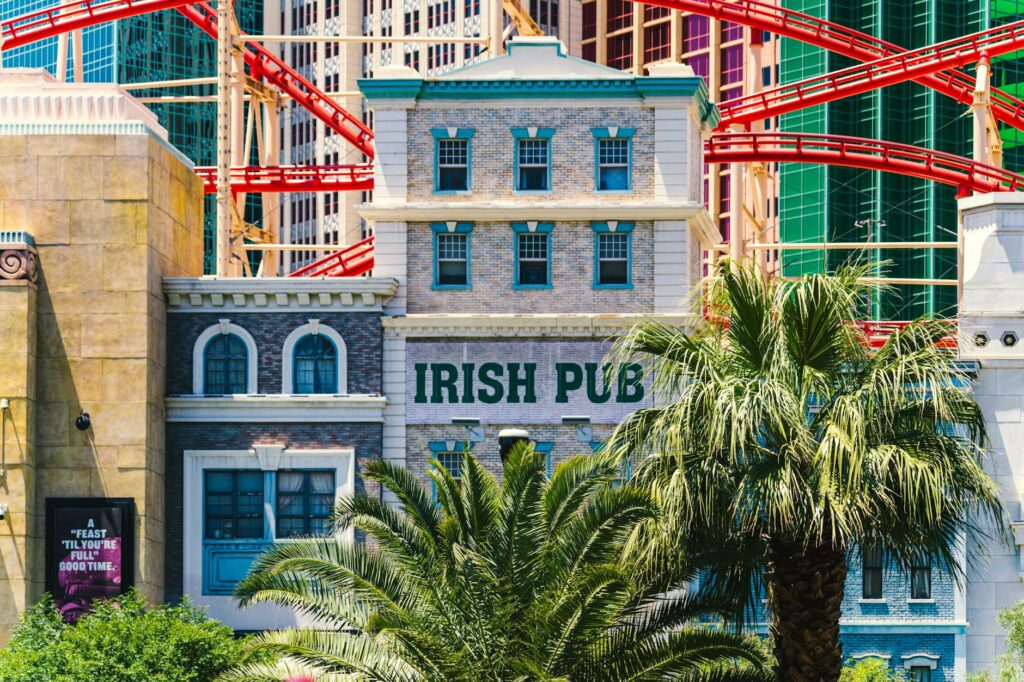
When considering the best times to visit Las Vegas, the peak travel seasons from March to May and September to November stand out. These months are bustling with energy, offering an array of events and activities that truly showcase the vibrant atmosphere of the city. Spring and fall not only boast ideal Las Vegas weather but also feature a packed Las Vegas events calendar that attracts visitors from around the globe.
Events and Activities During Peak Season
During these peak months, Las Vegas comes alive with a variety of events and activities. In spring, you can enjoy festivals like the Las Vegas Festival of Lights and major concerts featuring top artists. The fall season welcomes events such as Life is Beautiful, a music and arts festival that transforms downtown Las Vegas into a cultural hub. The city is also home to numerous trade shows and conventions, making it a hotspot for business travelers.
Whether you’re indulging in culinary experiences or exploring the exciting nightlife, the peak season provides an unparalleled atmosphere. The streets are bustling, and the energy is electrifying, making it a fantastic time for first-time visitors and seasoned travelers alike.
Pros and Cons of Visiting During Peak Season
While the peak season offers a vibrant atmosphere, it does come with its share of drawbacks. The pros are clear: the city is alive with activities, and the weather is usually perfect for outdoor events. However, these advantages also attract larger crowds and higher prices, which can be a downside for budget-conscious travelers. Hotel rates can skyrocket, and popular attractions may have long lines.
Ultimately, the decision to visit during peak season should weigh the excitement of the events against the potential for higher costs and crowds. For many, experiencing Las Vegas at its peak is worth those trade-offs. After all, the lively ambiance and numerous events create unforgettable memories that often outweigh the inconveniences.
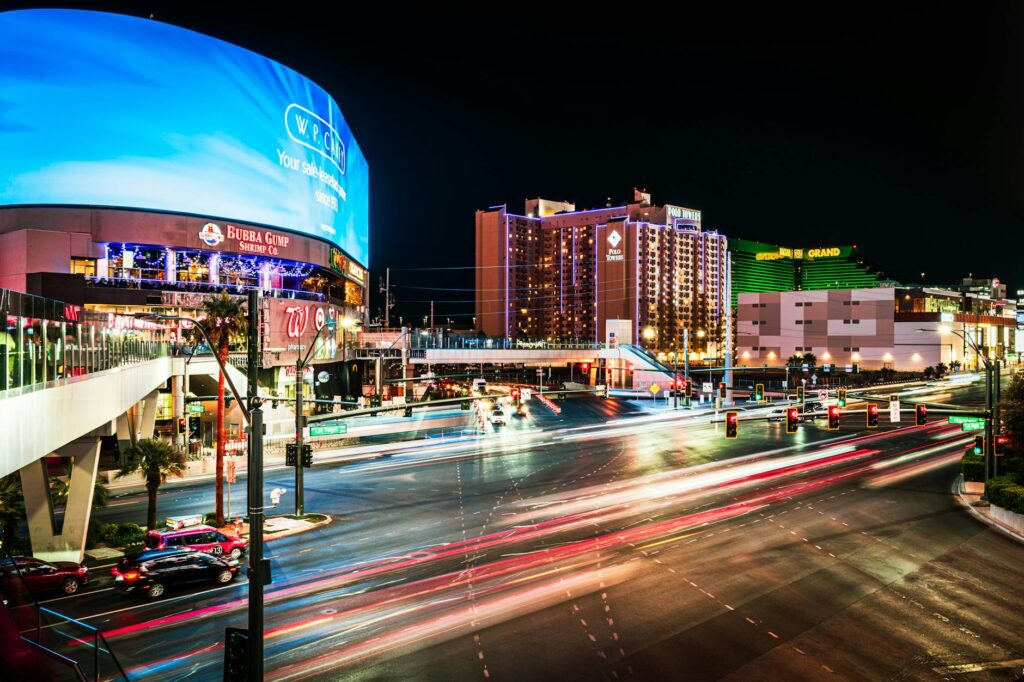
Choosing the best times to visit Las Vegas means considering what you want from your trip. If you thrive on excitement and don’t mind sharing the experience with fellow travelers, the peak season could be your ideal time to explore this dazzling city.
Shoulder Season: A Hidden Gem for Travelers
When considering the best times to visit Las Vegas, the shoulder seasons often fly under the radar. These periods, notably late January to February and early June to August, present unique opportunities for travelers looking to maximize their experience without the typical hustle and bustle. The charm of Las Vegas in these months lies in the lesser crowds, budget-friendly options, and an array of distinctive events that set the stage for an unforgettable getaway.
Unique Events to Experience in the Shoulder Season
The Las Vegas events calendar is packed with exciting happenings, even during the shoulder season. In February, the annual Valentine’s Day celebrations add a romantic flair to the city, often featuring special dining experiences and themed shows. Meanwhile, the summer months bring the Fremont Street Experience Summer Concert Series, where free live music transforms the iconic area into a vibrant hub of entertainment. These events not only showcase the eclectic spirit of Las Vegas but also allow visitors to engage with the local culture in a more intimate setting.
Why Shoulder Season is Ideal for Budget Travelers
For budget-conscious travelers, the shoulder season represents a golden opportunity. With fewer visitors, hotel rates often drop significantly compared to peak seasons. This trend is especially noticeable in January and February, when many resorts offer enticing deals to attract guests during the quiet months. Additionally, the milder Las Vegas weather during this time means comfortable exploring without the sweltering heat commonly found in the summer.
While some might argue that peak season offers a wider selection of shows and nightlife options, the shoulder season’s advantages far outweigh this concern. The opportunity to explore the city without the overwhelming crowds allows for a more relaxed experience, giving travelers the chance to truly soak in the sights, sounds, and flavors of Las Vegas.
Whether you’re drawn to the unique events or the cost savings, the shoulder season undoubtedly stands out when considering the best times to visit Las Vegas. Embrace the charm, connect with local culture, and enjoy a more personalized experience that the bustling high season simply can’t provide.
Off-Peak Season: Is it Worth It?
The off-peak season in Las Vegas, spanning late November to early January, often prompts travelers to question its allure. While many consider the best times to visit Las Vegas during the bustling summer months or festive holidays, there are unique advantages to experiencing Sin City during its quieter months. However, you must weigh the benefits against the challenges posed by the Las Vegas weather.
Weather Challenges During Off-Peak
First and foremost, let’s address the elephant in the room: the weather. Winter temperatures in Las Vegas can dip into the 30s and 40s (°F), which might be a shock for those expecting the usual desert warmth. The cold can limit outdoor activities and dampen the excitement of pool parties or outdoor shows, which are often highlights of the Las Vegas travel seasons. However, the cooler weather also brings a certain charm, with the Strip adorned in festive lights and a more relaxed atmosphere.
Events to Look Forward to in Off-Peak Season
Despite the chill, the off-peak season presents a variety of attractions that can make it worth your while. The Las Vegas events calendar is packed with unique happenings during this time. For instance, the Winter in the Desert celebration features stunning light displays and festive activities, capturing the holiday spirit without the overwhelming crowds. Additionally, the New Year’s Eve celebrations on the Strip are unforgettable, with fireworks and parties that draw visitors from all around the globe.
The lower hotel rates during off-peak season also make it an attractive option for budget-conscious travelers. With fewer tourists, you can enjoy more personalized service and shorter lines at restaurants and attractions. Essentially, if you can embrace the season’s colder weather, the unique experiences available can make a visit during this time quite rewarding.
Ultimately, while the best times to visit Las Vegas may typically be associated with warmer weather and larger crowds, the off-peak season offers its own set of advantages. By balancing the challenges of Las Vegas weather against the unique experiences available during this quieter season, you just might find that this is a hidden gem waiting to be discovered.
Tips for Planning Your Las Vegas Trip
When it comes to deciding the best times to visit Las Vegas, careful planning can make a world of difference. Knowing how to budget effectively and what to pack will enhance your experience, regardless of the season you choose. Here are some key tips to consider.
Budgeting for Your Trip
Las Vegas travel seasons can significantly impact your budget. Peak tourist months, typically spring and fall, see higher prices for hotels and entertainment. To save money, consider visiting during the shoulder seasons (early January to mid-February and late November to mid-December) when prices drop, and crowds are thinner. Additionally, keep an eye on the Las Vegas events calendar to plan your visit around major events that might affect pricing. For example, booking during a convention can lead to inflated hotel rates.
Another budgeting tip is to utilize package deals. Many hotels and airlines offer promotions, particularly during slower months. Look out for discounted show tickets or meal packages that can make your experience both enjoyable and affordable.
Packing Essentials Based on Weather
Understanding Las Vegas weather is crucial when preparing for your trip. During the summer, temperatures can soar above 100°F (38°C), so lightweight clothing, sunscreen, and hydration are essential. If you’re visiting in winter, however, pack layers. Nights can be surprisingly chilly, even if the days are warm.
Also, consider the events you plan to attend. If you’re visiting for a music festival or a sporting event, check the dress code and weather forecast to ensure you’re comfortable. Don’t forget comfortable shoes, as you’ll likely be walking a lot, especially if you explore the Strip.
Whether you choose to visit during bustling weekends or quieter weekdays, being mindful of your budget and packing according to the season will ensure that you enjoy all the entertainment and excitement Las Vegas has to offer. Your preparation can make the difference between a good trip and a great one.
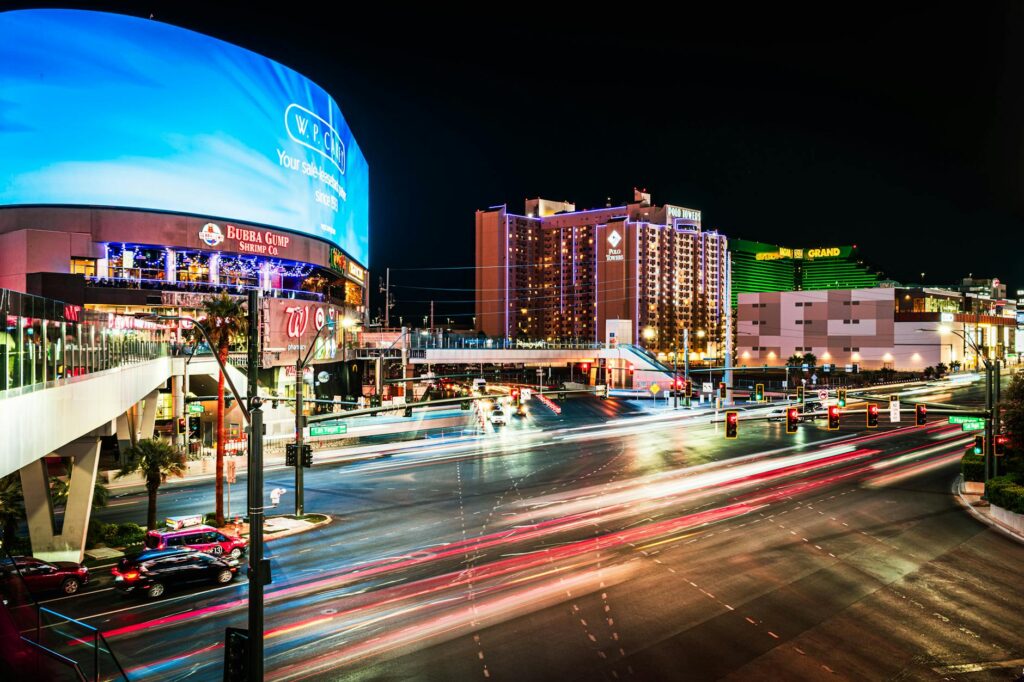
Understanding the best times to visit Las Vegas is essential for maximizing your experience in this vibrant city. With a variety of Las Vegas travel seasons, each offering unique weather and events, there’s always something exciting to explore. Whether you’re drawn to the lively atmosphere of summer festivals or the milder temperatures during the spring and fall, planning around the Las Vegas events calendar can enhance your trip.
As you consider your next getaway, take a moment to check the Las Vegas weather during your desired travel period. Knowing what to expect can help you pack appropriately and plan your activities. Now that you’re equipped with insights on the best times to visit Las Vegas, it’s time to start crafting your itinerary. Dive into the adventure that awaits and make the most of your Las Vegas experience!
“`html
What are the best times to visit Las Vegas?
The best times to visit Las Vegas are typically from March to May and from September to November. During these months, the weather is mild and pleasant, making it ideal for outdoor activities and exploring the Strip. Additionally, hotel rates are often more affordable compared to the peak summer and winter seasons. If you are looking to experience Las Vegas events, these months also host various festivals and live performances.
What is the weather like in Las Vegas throughout the year?
Las Vegas weather varies significantly throughout the year. Summers (June to August) are extremely hot, with temperatures often exceeding 100°F (38°C). Winters (December to February) are mild, averaging around 40°F to 60°F (4°C to 15°C). Spring and fall offer comfortable temperatures, ranging from 60°F to 80°F (15°C to 27°C), making these seasons ideal for exploring outdoor attractions. Always check the [Las Vegas weather](https://www.weather.com/weather/today/l/USNV0040:1:US) before your trip.
Are there any major events in Las Vegas I should know about?
Yes, Las Vegas hosts numerous major events throughout the year. Notable events include the CES (Consumer Electronics Show) in January, the National Finals Rodeo in December, and various music festivals like Life is Beautiful in September. Additionally, many shows and concerts occur regularly, making it essential to check the [Las Vegas events calendar](https://www.lasvegas.com/events/) for scheduling updates during your visit.
What is the peak season for Las Vegas travel?
The peak season for Las Vegas travel occurs during the summer months, particularly from June to August, and around major holidays like New Year’s Eve and Memorial Day. During these times, the city sees an influx of tourists, resulting in higher hotel rates and crowded attractions. If you prefer a less hectic atmosphere and lower prices, consider visiting during the shoulder seasons of spring and fall.
How can I save money when visiting Las Vegas during peak season?
To save money while visiting Las Vegas during peak season, consider booking your accommodations well in advance to secure lower rates. Look for mid-week stays, as hotel prices tend to drop from Sunday to Thursday. Additionally, take advantage of discounts on shows and dining by using coupon books or apps. Exploring free attractions, such as the Bellagio Fountains and the Fremont Street Experience, can also help keep your costs down.
What should I pack for a trip to Las Vegas?
When packing for Las Vegas, consider the season and planned activities. In summer, lightweight clothing, sunscreen, and sunglasses are essential due to the heat. For cooler months, pack layers, as temperatures can drop at night. Comfortable walking shoes are a must for exploring the Strip and surrounding attractions. Don’t forget formal attire if you plan to dine at upscale restaurants or attend shows.
“`