

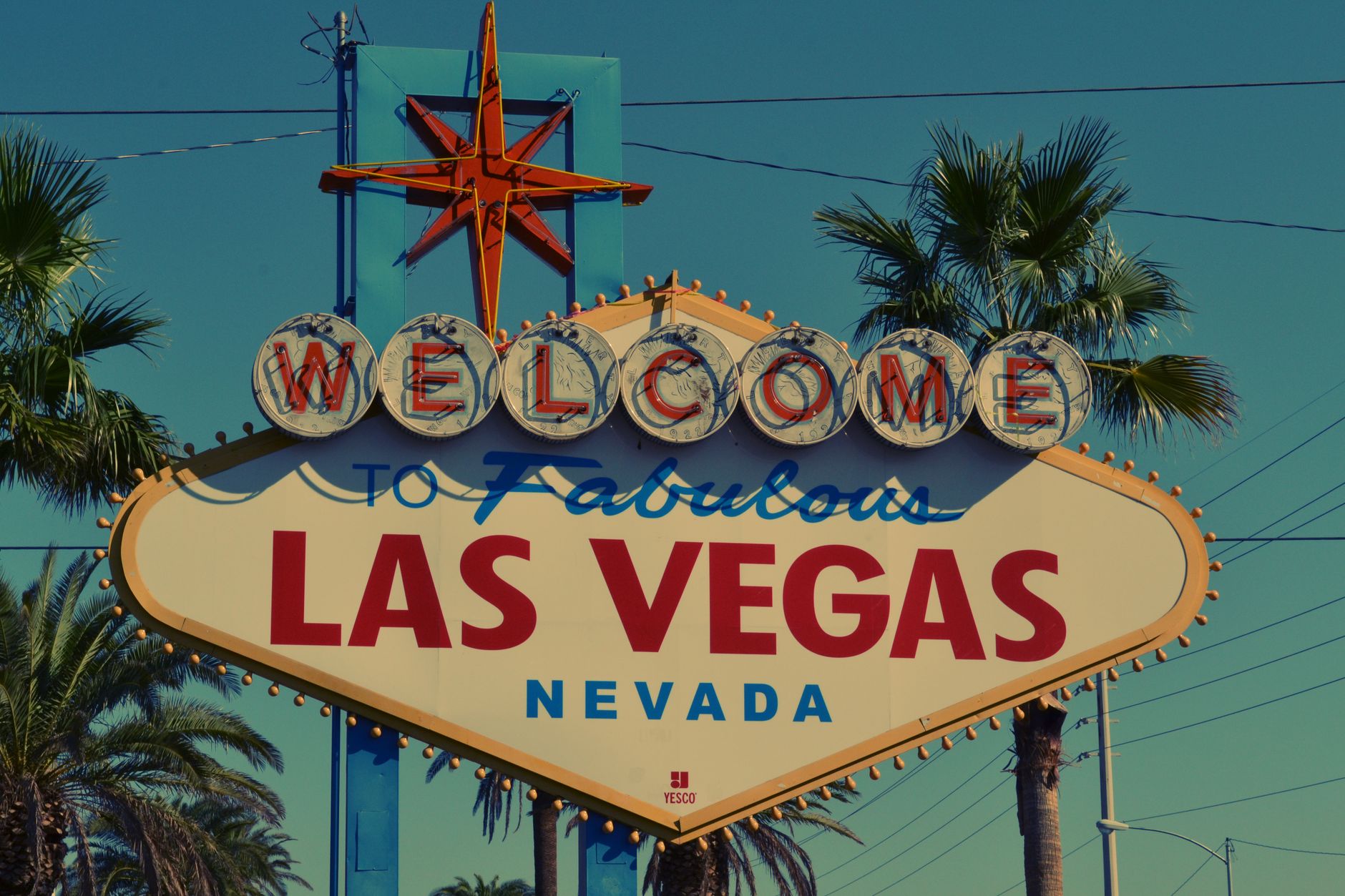
When considering the best time to visit Las Vegas, understanding the unique charm each season brings is essential for planning an unforgettable trip. The city, known for its dazzling lights and vibrant energy, offers a variety of experiences that change with the seasons. This article will guide you through the Vegas travel seasons, highlighting how Las Vegas weather can impact your plans. From the bustling peak seasons filled with events to the quieter off-peak times that offer great deals, you’ll discover when to go Vegas for your ideal getaway. We will delve into the major events and festivals that can enhance your visit, ensuring you make the most informed choice. Whether you’re drawn to the sun-soaked summer or the cooler winter months, understanding the seasonal nuances will help you navigate your trip effectively. Ready to find out the optimal time for your Las Vegas adventure? Let’s dive in and explore the factors that define the best time to visit Las Vegas.
Understanding the Best Time to Visit Las Vegas
Why Timing Matters
When planning your trip, understanding the best time to visit Las Vegas can significantly enhance your experience. Timing affects not just the weather but also the atmosphere, crowd sizes, and overall costs. For instance, peak tourist seasons bring larger crowds, which can lead to longer wait times at restaurants and attractions. Conversely, visiting during the off-peak months can provide a more relaxed experience, with less congestion and better deals on accommodations and activities.
Additionally, Las Vegas is known for its bustling events and conventions throughout the year. If you’re interested in attending major shows or festivals, like the Las Vegas Strip’s annual events, knowing when these occur is crucial. Thus, aligning your trip with specific events can greatly enrich your visit.
Overview of Vegas Travel Seasons
Las Vegas weather varies significantly from season to season, making it essential to consider the Vegas travel seasons when deciding when to go Vegas. Here’s a quick breakdown:
- Spring (March to May): Mild temperatures and blooming landscapes make spring a popular time for visitors. Expect moderate crowds and several major events, including the National Association of Broadcasters Show.
- Summer (June to August): This season is characterized by hot temperatures, often exceeding 100°F (38°C). While it’s the busiest time for tourists, many indoor attractions remain cool. If you can handle the heat, you may find great deals on hotels during the week.
- Fall (September to November): With comfortable weather and fewer crowds after the summer rush, fall is one of the best times to visit Las Vegas. Major events, including the Las Vegas Film Festival, attract visitors without overwhelming the city.
- Winter (December to February): While temperatures can dip to the 40s°F (around 5°C), winter offers a unique charm with holiday-themed displays. It is typically the least crowded season, ideal for budget-conscious travelers.
Ultimately, understanding the best time to visit Las Vegas involves balancing your preferences for weather, crowds, and events. By considering these factors, you can plan a trip that maximizes enjoyment and minimizes stress.

Las Vegas Weather: A Key Factor in Your Travel Plans
When planning a trip to Las Vegas, understanding the Las Vegas weather is crucial for optimizing your experience. The city is known for its desert climate, which means hot summers, mild winters, and plenty of sunshine throughout the year. Knowing the temperature ranges and precipitation levels can help you determine the best time to visit Las Vegas for your preferred activities.
Seasonal Weather Breakdown
Las Vegas experiences four distinct seasons, each presenting unique weather patterns:
- Spring (March to May): Temperatures range from the mid-50s to the low 80s °F (around 12-27 °C). This season is characterized by comfortable weather, ideal for outdoor events and sightseeing.
- Summer (June to August): Expect scorching temperatures, often exceeding 100 °F (38 °C). While this is peak tourist season, the heat can be intense, making it less suitable for outdoor activities during the day.
- Fall (September to November): Similar to spring, temperatures range from the mid-60s to the low 80s °F (about 18-27 °C). The weather is pleasant, and many visitors enjoy outdoor festivals and events.
- Winter (December to February): While daytime temperatures can be mild, averaging in the 50s °F (10-15 °C), nights can get chilly. This season sees fewer crowds, making it a quieter time to visit.
Ideal Weather Conditions: When to Go Vegas for the Best Experience
For those seeking comfortable conditions, both spring and fall stand out as the best time to visit Las Vegas. The moderate temperatures allow for outdoor activities without the oppressive heat of summer or the cold of winter. Spring, in particular, is great for events like the Las Vegas Film Festival and various music festivals.
While summer offers a vibrant atmosphere, be prepared for the heat, especially if you’re planning outdoor excursions. If you’re more inclined to explore the city’s renowned nightlife or stay indoors at casinos and shows, then summer could still be enjoyable. However, if you want to avoid the heat and experience the city at its best, it’s wise to plan your visit during those milder seasons.
being aware of Las Vegas weather patterns can significantly enhance your travel experience. Whether you’re looking to soak up the sun, enjoy outdoor events, or explore the vibrant nightlife, knowing when to go Vegas can help you make the most of your trip.
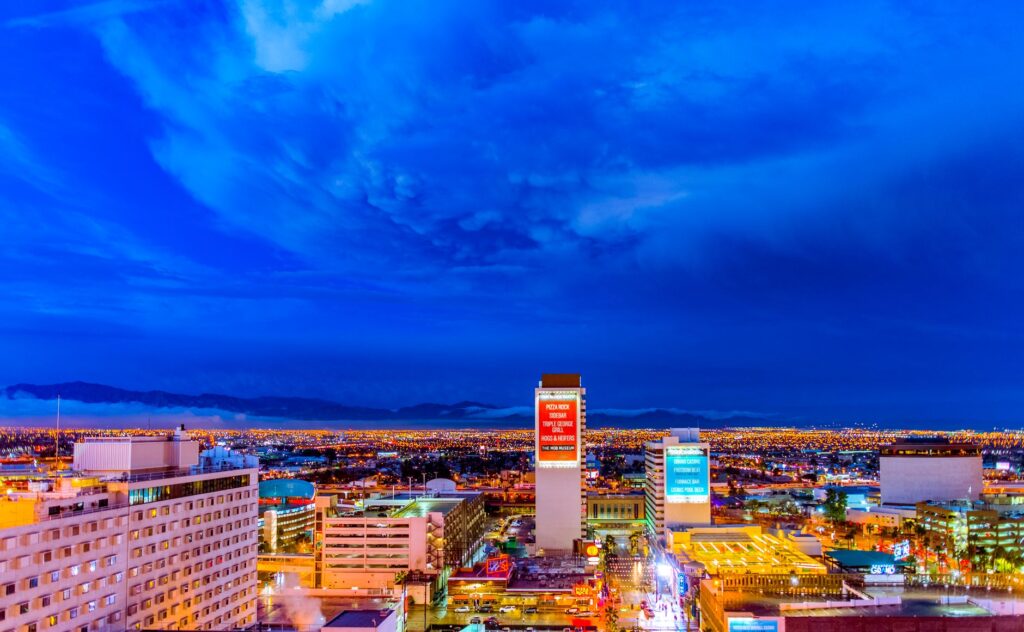
Peak and Off-Peak Seasons: When to Go Vegas
Understanding the best time to visit Las Vegas involves knowing the dynamics of peak and off-peak seasons. Each season offers its own unique experiences, pricing, and crowd levels, making it essential to consider your preferences when planning your trip.
Peak Season Highlights
Las Vegas sees its peak season primarily from March through May, and again from September to November. During these months, the city buzzes with energy, highlighted by numerous events, conventions, and festivals. The weather is mostly pleasant, with daytime temperatures ranging from the mid-70s to low 90s Fahrenheit, making it ideal for outdoor activities and pool parties.
However, it’s important to note that visiting during peak seasons often means higher hotel rates and crowded attractions. If you’re looking for vibrant nightlife, exciting shows, and lively casinos, this is the time to be there. Major events like the Las Vegas Strip’s New Year’s Eve celebration or music festivals attract thousands, so be prepared for bustling crowds.
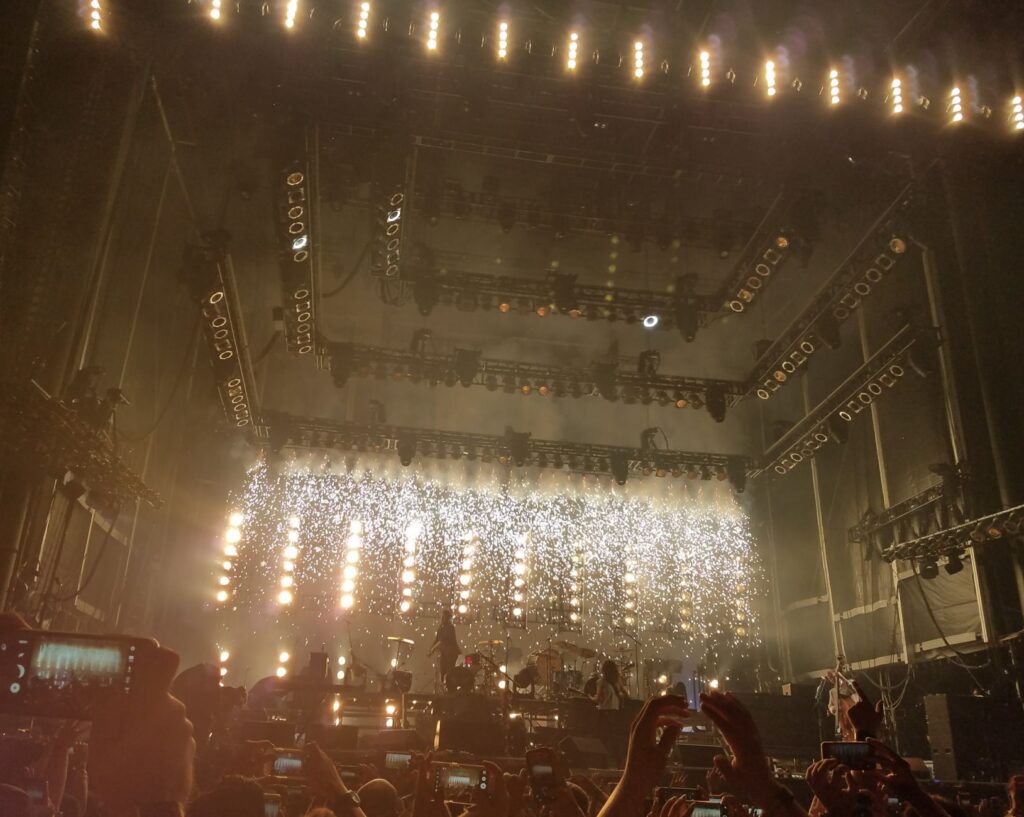
Off-Peak Season Advantages
If you prefer a quieter experience, consider visiting during the off-peak season, which generally runs from December to February and also during the summer months, particularly July and August. While Las Vegas weather can be quite hot in the summer, with temperatures often exceeding 100°F, you’ll benefit from significantly lower hotel rates and less crowded attractions.
Visiting during these times can offer a more relaxed atmosphere, allowing you to explore the city at your own pace. Additionally, many hotels and resorts offer enticing deals and promotions during the off-peak months, making it easier on your wallet. For those interested in the Vegas travel seasons, this quieter period can be a hidden gem for budget-conscious travelers.
Ultimately, the decision on when to go Vegas hinges on your priorities. If you thrive in the hustle and bustle, peak season is your best bet. Conversely, if you prefer a calmer environment with savings, off-peak is the way to go. Understanding these seasonal dynamics will help you pinpoint the best time to visit Las Vegas for your personal preferences.
Events and Festivals: Timing Your Trip for the Best Time to Visit Las Vegas
Las Vegas is a city that never sleeps, and its vibrant events calendar is one of the reasons why. When planning your trip, consider the major events and festivals taking place throughout 2026, as these can significantly enhance or impact your experience. From conventions to outdoor festivals and concerts, timing your visit can mean the difference between a quiet getaway and a bustling adventure.
Major Events Throughout the Year
Las Vegas hosts a variety of major events year-round. Here are some highlights for 2026:
- Consumer Electronics Show (CES) – January 5-8: This world-renowned tech convention draws thousands of visitors, making January a busy time to go. Expect high hotel rates and larger crowds.
- Vegas Uncork’d – May 11-14: A food and wine festival featuring celebrity chefs, this event is ideal for foodies. The pleasant Las Vegas weather in May adds to the experience.
- Electric Daisy Carnival – May 19-21: One of the biggest electronic music festivals in the world, EDC brings a lively atmosphere to the desert. However, hotel prices can skyrocket.
- World Series of Poker – May 30 – July 18: This iconic poker tournament attracts players and fans from around the globe, making it a thrilling time to visit, albeit crowded.
- Las Vegas Pride – October 7-8: A celebration of diversity, this festival features a parade and various events throughout the city.
How Events Impact Travel Plans and the Best Time to Visit Las Vegas
Events like these can significantly impact hotel prices, crowds, and your overall experience in Las Vegas. For instance, during CES and EDC, accommodations can be fully booked months in advance, and prices may double or triple. If you’re looking for a quieter experience, consider visiting during off-peak times, such as late summer or early fall, when major events are less frequent. Understanding Las Vegas weather trends can also help inform your decision on when to go Vegas, ensuring you enjoy the best conditions during your visit.
a little research into the events and festivals in Las Vegas can go a long way in helping you choose the best time to visit Las Vegas. Whether you prefer the excitement of major events or the tranquility of quieter months, aligning your travel plans with the city’s vibrant calendar will enhance your experience. For more tips on planning your trip, check out our guide on Best Time to Visit Las Vegas: Seasonal Highlights.
Conclusion: Choosing Your Best Time to Visit Las Vegas
Final Tips for Planning Your Trip Around the Best Time to Visit Las Vegas
As you consider your options for the best time to visit Las Vegas, remember that planning around Las Vegas weather, local events, and peak travel seasons will enhance your experience. Whether you prefer the vibrant energy of summer or the more temperate fall and spring months, knowing when to go Vegas will help you maximize your stay.
Spring (March to May) and fall (September to November) are often heralded as ideal times due to pleasant temperatures and fewer crowds. Summer can be scorching, with temperatures regularly exceeding 100°F, but the city offers a plethora of indoor attractions and events to keep you entertained. Conversely, winter brings milder weather, making it a great time to explore the Strip without the oppressive heat, although expect larger crowds around holidays.
Making the Most of Your Visit
To ensure a memorable trip, consider the following actionable tips:
- Book in Advance: Securing your accommodations and event tickets early can save you money and guarantee your preferred options.
- Stay Informed: Keep an eye on local event calendars and special shows. Events like New Year’s Eve and major conventions can affect hotel availability and prices.
- Pack Accordingly: Depending on the season you choose, pack suitable clothing. Light layers for spring and fall, and breathable fabrics for summer will ensure your comfort.
- Explore Beyond the Strip: Don’t forget to venture out to nearby attractions like Red Rock Canyon or the Hoover Dam, which can be enjoyed year-round.
Ultimately, the best time to visit Las Vegas is subjective and should align with your personal preferences and plans. With thoughtful planning and consideration of Vegas travel seasons, you’re sure to have an incredible experience. For a comprehensive guide on events and attractions that suit your timeline, Best Time to Visit Las Vegas in 2026: Seasonal Guide.
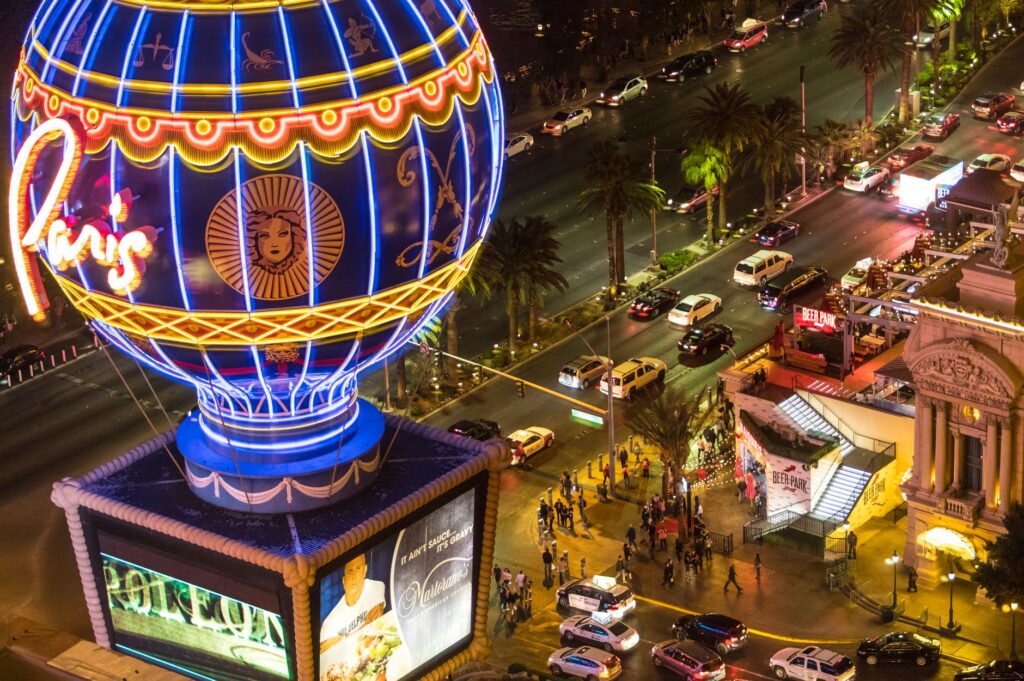
Determining the best time to visit Las Vegas depends on your preferences for entertainment, events, and weather. Each of the Vegas travel seasons offers unique experiences, from the lively pool parties of summer to the festive celebrations during the holiday season. With average temperatures soaring in the summer and mild winters, understanding Las Vegas weather is crucial for planning your trip. Whether you enjoy outdoor adventures or prefer indoor attractions, timing your visit can enhance your experience.
Now that you have insights into when to go Vegas, consider what activities you want to prioritize during your stay. Whether it’s dining, shows, or exploring the vibrant nightlife, aligning your travel dates with your interests will make all the difference. So grab your calendar, mark your ideal travel dates, and start planning an unforgettable Las Vegas getaway!
“`html
What is the best time to visit Las Vegas for good weather?
The best time to visit Las Vegas for good weather is from March to May and from September to October. During these months, temperatures are typically mild, ranging from the 60s to 80s Fahrenheit. This makes it ideal for outdoor activities and sightseeing. Summer months can be extremely hot, often exceeding 100 degrees, while winter can bring cooler temperatures. Therefore, planning your trip during these shoulder seasons offers comfortable weather and enjoyable experiences.
When are the peak travel seasons in Las Vegas?
Peak travel seasons in Las Vegas generally occur during major holidays, including New Year’s Eve, Memorial Day weekend, and Labor Day weekend. Additionally, conventions and major events can significantly increase visitor numbers, particularly in spring and fall. If you prefer a more crowded atmosphere with vibrant nightlife and events, these peak periods are ideal. However, be prepared for higher prices and longer wait times during these busy times.
What events should I consider when planning my trip to Vegas?
When planning your trip to Las Vegas, consider events like the Consumer Electronics Show in January, the World Series of Poker in the summer, and various music festivals throughout the year, such as the Life is Beautiful Festival. These events attract large crowds and can significantly impact hotel availability and prices. Additionally, special themed events and concerts often occur, so checking the calendar can help you plan an exciting trip.
How does Las Vegas weather vary throughout the year?
Las Vegas weather varies significantly throughout the year. Summers are extremely hot, with average highs often exceeding 100 degrees Fahrenheit, making outdoor activities challenging. Winters can be mild during the day but chilly at night, with temperatures dropping into the 30s and 40s. Spring and fall are ideal, offering pleasant temperatures and lower humidity. Understanding Las Vegas weather can help you choose the best time to visit Las Vegas for your planned activities.
Are there any off-peak times to visit Las Vegas?
Yes, off-peak times to visit Las Vegas typically include late November through mid-December and January through early February. During these periods, you’ll find fewer tourists, making it easier to explore attractions without long waits. Hotel prices are generally lower, and you can enjoy a more relaxed atmosphere. However, some attractions may have reduced hours, so it’s wise to check in advance.
What are the advantages of visiting Las Vegas during the shoulder season?
Visiting Las Vegas during the shoulder season offers several advantages. You can enjoy pleasant weather, fewer crowds, and lower prices on accommodations and attractions. This is an excellent time for outdoor activities, exploring the Strip, and experiencing local events without the hustle and bustle of peak season. Additionally, many hotels and restaurants may offer special promotions, making it a budget-friendly option for travelers looking to maximize their experience.
“`