


Las Vegas tourism statistics reveal a vibrant and evolving landscape that continues to captivate visitors from around the world. As we dive into the data for 2026, we’ll explore key insights such as visitor numbers in Las Vegas, which serve as a barometer for the city’s appeal and resilience in the travel industry. This article will cover emerging tourism trends shaping the future of Sin City, along with essential travel industry data that highlights economic impacts and shifts in visitor demographics. Additionally, we’ll present future projections for Las Vegas tourism, offering a glimpse into what lies ahead. To facilitate your understanding, we include a glossary of key terms related to Las Vegas tourism statistics, ensuring you can navigate the numbers with ease. Whether you’re a travel enthusiast, a business stakeholder, or just curious about this iconic destination, you’re in the right place. Let’s embark on this journey through the fascinating world of Las Vegas tourism statistics!
Understanding Las Vegas Tourism Statistics
Overview of Las Vegas Tourism
Las Vegas is a global hotspot for entertainment, hospitality, and leisure, drawing millions of visitors each year. The Las Vegas tourism statistics encompass a broad range of data, including visitor numbers, hotel occupancy rates, and spending patterns. According to the Las Vegas Convention and Visitors Authority, in 2022, the city welcomed over 38 million visitors, a number that reflects a strong rebound following the disruptions caused by the pandemic. This influx has significant implications for local businesses and the overall economy, highlighting the city’s resilience and ongoing appeal.
The tourism landscape in Las Vegas is not static; it evolves with changing consumer preferences and market dynamics. Recent years have seen a shift towards experiential travel, with visitors increasingly seeking unique experiences over traditional gambling activities. This trend is evident in the rise of entertainment options, dining experiences, and outdoor adventures that cater to diverse interests. As a result, the tourism industry continuously adapts to meet the expectations of a varied demographic.
Importance of Tourism Statistics
Understanding tourism statistics is crucial for stakeholders in the travel industry. Visitor numbers not only reflect the city’s popularity but also indicate economic health. More visitors typically lead to increased revenue for hotels, restaurants, and attractions, which in turn supports job creation and local businesses. Furthermore, tourism trends can guide strategic planning for infrastructure and services, ensuring that the needs of both tourists and residents are met effectively.
Recent tourism trends indicate a growing demand for sustainable travel options, with visitors increasingly aware of their environmental impact. This shift is prompting many Las Vegas establishments to adopt greener practices and promote eco-friendly experiences. As the travel industry data evolves, it becomes essential for businesses to stay informed and responsive to these trends to maintain their competitive edge.

Visitor Numbers in Las Vegas: A 2026 Snapshot
Current Visitor Trends in Las Vegas Tourism Statistics
As of 2026, Las Vegas continues to be a top destination for travelers across the globe, with an impressive 42 million visitors expected throughout the year. This marks a significant increase from the 39 million visitors in 2025, representing a 7.7% growth in visitor numbers. The recovery from the pandemic has driven a surge in tourism trends, with early indications showing that both leisure and business travel are on the rise, as well as a growing interest in events and conventions.
According to the Las Vegas Convention and Visitors Authority (LVCVA), these numbers are attributed to a mix of factors, including expanded entertainment options, a revival of live events, and strong marketing campaigns targeting international visitors. Additionally, the hospitality industry has adapted with enhanced health and safety measures, reassuring travelers and boosting their confidence in visiting the city.

Demographics of Visitors in Las Vegas Tourism Statistics
Understanding the demographics of visitors is crucial for grasping the full scope of Las Vegas tourism statistics. In 2026, the visitor profile reveals that the majority of travelers are aged between 25 and 54, making up nearly 60% of the total visitors. Notably, millennials and Gen Z travelers are increasingly dominating the scene, drawn by dynamic nightlife and immersive experiences.
In terms of nationality, approximately 30% of visitors come from California, while international travelers, particularly from Canada, the UK, and Mexico, account for about 15% of the total. The primary purpose of visits remains leisure, with over 75% of tourists seeking entertainment, dining, and outdoor activities such as hiking and golfing.
These insights into visitor numbers and demographics help paint a clear picture of the evolving landscape of the Las Vegas travel industry, providing valuable data for businesses and stakeholders alike. For further information on the economic impact of tourism in the area, explore Essential Tips for First-Time Visitors to Las Vegas.
Emerging Tourism Trends in Las Vegas
Post-Pandemic Recovery in Las Vegas Tourism Statistics
The travel industry has seen a remarkable shift as it adapts to a post-pandemic world. Las Vegas, a city synonymous with entertainment, has experienced a resurgence in visitor numbers, driven by a mix of pent-up demand and innovative offerings. According to the Las Vegas Convention and Visitors Authority, the city welcomed over 39 million visitors in 2022, and projections suggest continued growth through 2026. This recovery is not just about numbers; it reflects a broader change in how people approach travel. Safety and flexibility have become paramount, with many travelers seeking destinations that prioritize health and wellness.
Sustainability and Eco-Tourism in Las Vegas Tourism Trends
As the awareness of climate change rises, sustainability has emerged as a critical trend within the travel industry. Las Vegas is responding to this demand by implementing eco-friendly practices. Hotels and resorts are adopting green certifications and reducing waste through various initiatives. For instance, the Caesars Entertainment has made significant strides in sustainability, aiming for a zero-waste program by 2025. Additionally, the city is promoting eco-tourism, with attractions that highlight natural beauty and responsible travel practices.
These evolving tourism trends indicate a shift toward a more conscious and responsible approach to travel in Las Vegas. By focusing on sustainability and accommodating the changing preferences of visitors, the city aims to maintain its status as a premier tourist destination while being mindful of its environmental footprint. For further insights, consider exploring more detailed travel industry data related to Las Vegas tourism statistics.

Travel Industry Data and Economic Impact
Economic Contributions of Tourism
The tourism industry plays a pivotal role in the economic landscape of Las Vegas, contributing significantly to job creation and revenue generation. In 2022, tourism accounted for approximately $67 billion in revenue, showcasing the city’s ability to attract millions of visitors each year. The Las Vegas tourism statistics reveal that over 42 million visitors traveled to the city in 2022, a figure that continues to rise. This influx of tourists supports over 400,000 jobs, making the sector one of the largest employers in the region.
Furthermore, tourism drives economic activity across various sectors, including hospitality, entertainment, and retail, leading to a multiplier effect that enhances local businesses. As a result, investments in infrastructure and services are often driven by tourism trends, helping to create a vibrant community that benefits residents and visitors alike.
Challenges Faced by the Industry
Despite its robust economic contributions, the Las Vegas tourism sector faces several challenges that can impact visitor numbers and overall stability. Fluctuations in visitor traffic, often influenced by external factors such as economic downturns, natural disasters, or global events like pandemics, can create significant volatility in the industry. For instance, Las Vegas experienced a dramatic decline in tourism during the COVID-19 pandemic, leading to hotel closures and job losses throughout the city.
Moreover, the growing emphasis on sustainability and eco-friendly practices is reshaping tourism trends, requiring businesses to adapt quickly to changing consumer preferences. While these changes can enhance the visitor experience, they also pose challenges in terms of operational costs and compliance with new regulations. To navigate these hurdles, stakeholders must leverage travel industry data to make informed decisions that promote resilience and sustainability.

Future Projections for Las Vegas Tourism
Projected Visitor Growth
As we look towards 2026 and beyond, Las Vegas tourism statistics indicate a promising trajectory for visitor growth. According to recent data from the Las Vegas Convention and Visitors Authority, annual visitor numbers are expected to rise to approximately 42 million by 2026, up from around 39 million in 2023. This growth can be attributed to several factors, including the expansion of flight routes, enhanced marketing efforts, and the city’s continued investment in new attractions and entertainment options.
Additionally, as the travel industry rebounds from the challenges posed by the global pandemic, Las Vegas is well-positioned to attract both domestic and international visitors. The city’s reputation as a premier entertainment and leisure destination, along with its diverse offerings, ranging from world-class dining to vibrant nightlife, plays a crucial role in enticing tourists. Enhanced safety protocols and a growing emphasis on sustainability may also influence visitor decisions positively.
Long-Term Trends to Watch in Las Vegas Tourism Statistics
Several long-term tourism trends are emerging that could shape the future of Las Vegas tourism. One significant shift is the increasing preference for experiential travel, where visitors seek unique and immersive experiences rather than just traditional sightseeing. This trend may lead to a rise in demand for activities such as culinary tours, outdoor adventures, and cultural events, aligning with changing travel preferences.
Furthermore, the integration of technology in the travel industry is set to transform how visitors interact with the city. Innovations such as virtual reality experiences, mobile booking platforms, and personalized travel apps will likely become more prevalent, enhancing the overall visitor experience.
Global events and economic factors will also play a critical role in shaping Las Vegas tourism trends. Economic stability, geopolitical developments, and public health considerations can significantly impact travel patterns. As these factors evolve, stakeholders in the Las Vegas tourism sector must remain adaptable to capitalize on emerging opportunities and navigate potential challenges.

Monitoring these trends and visitor numbers through reliable travel industry data will be essential for stakeholders aiming to optimize their strategies and maximize growth in the coming years. The future of Las Vegas tourism looks bright, with exciting possibilities on the horizon.
Glossary of Key Terms in Las Vegas Tourism Statistics
Key Terms Explained
Understanding the language of Las Vegas tourism statistics is essential for grasping the nuances of this vibrant travel market. Here are some key terms that often appear in discussions around visitor numbers, tourism trends, and travel industry data.
- Visitor Numbers: This term refers to the total count of individuals who visit Las Vegas over a specific period, typically measured annually or quarterly. These figures help gauge the city’s popularity and economic impact.
- Tourism Trends: These are patterns or movements in the tourism sector that indicate changes in consumer behavior, preferences, and travel habits. Analyzing tourism trends can provide insight into emerging markets and what attracts visitors to Las Vegas.
- Travel Industry Data: This encompasses a broad range of information related to travel, such as occupancy rates, average daily rates, and revenue per available room (RevPAR). Such data is crucial for understanding the overall health and direction of the tourism sector in Las Vegas.
Understanding Industry Jargon in Las Vegas Tourism Statistics
Familiarity with industry jargon enables stakeholders to better interpret Las Vegas tourism statistics and make informed decisions. For instance, terms like RevPAR or occupancy rate are commonly used in financial reports to assess hotel performance. Knowing these terms can help investors, marketers, and even tourists understand the dynamics at play in the Las Vegas tourism landscape.
For anyone working within or interested in the travel and tourism industry, understanding these terms not only enhances communication but also provides a clearer picture of the economic significance of visitor numbers and tourism trends in Las Vegas.
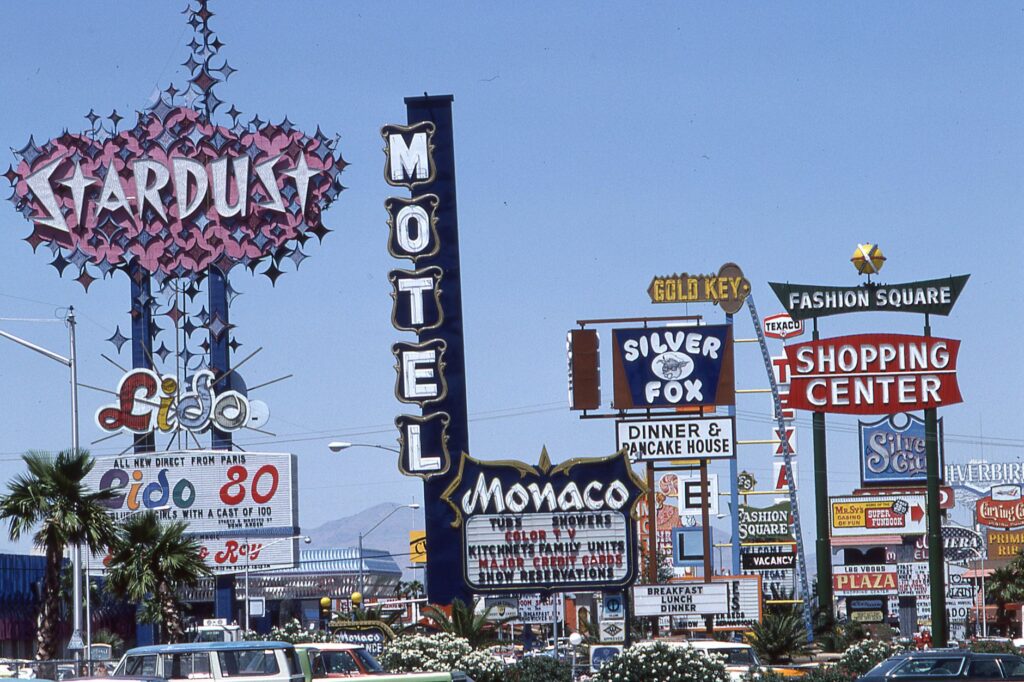
The latest las vegas tourism statistics reveal a vibrant landscape for the city’s travel industry, showcasing rising visitor numbers and evolving tourism trends. As Las Vegas continues to adapt to the changing preferences of travelers, the data underscores the importance of staying informed about these shifts. Understanding the nuances of the travel industry data can help businesses and stakeholders strategize effectively for future growth.
For those looking to capitalize on these insights, keeping an eye on emerging tourism trends can be crucial. Whether you’re a business owner or a traveler planning your next trip, leveraging the latest statistics can enhance your experience and decision-making. Dive deeper into the las vegas tourism statistics to discover how you can benefit from this dynamic market and ensure your plans align with the latest developments in visitor numbers and travel industry data.
“`html
What are the latest Las Vegas tourism statistics for 2026?
The latest Las Vegas tourism statistics for 2026 indicate a substantial recovery from the pandemic, with projected visitor numbers reaching approximately 42 million. This growth is attributed to a resurgence in leisure travel and major events returning to the city. The tourism sector is expected to contribute significantly to the local economy, supporting jobs and numerous businesses across the region.
How many visitors does Las Vegas attract each year?
Las Vegas attracts around 40 million visitors each year, making it one of the most popular tourist destinations in the United States. This number varies slightly based on economic conditions, events, and seasonal factors, with peaks during major conventions and holidays. The city’s vibrant entertainment scene and world-class attractions continue to draw millions annually.
What are the current tourism trends in Las Vegas?
Current tourism trends in Las Vegas include a rise in experiential travel, with visitors seeking unique and immersive experiences. Additionally, there is an increasing demand for wellness tourism, fine dining, and outdoor activities. The use of technology for enhanced visitor experiences, such as virtual tours and mobile apps, is also on the rise. These trends are shaping the future of las vegas tourism statistics.
How does tourism impact the Las Vegas economy?
Tourism plays a crucial role in the Las Vegas economy, contributing billions of dollars annually. It supports a wide range of jobs in hospitality, entertainment, and retail sectors. Additionally, tourism drives revenue through taxes, which fund public services and infrastructure. The city’s economy is thus heavily reliant on visitor spending, which enhances local businesses and creates new opportunities.
What challenges is the Las Vegas travel industry facing?
The Las Vegas travel industry faces several challenges, including fluctuating visitor numbers due to economic uncertainties and shifts in consumer behavior. Additionally, competition from other travel destinations, rising operational costs, and the need for sustainable tourism solutions are significant concerns. Addressing these challenges is essential for maintaining growth and ensuring the city’s long-term viability as a top travel destination.
What are the demographics of visitors to Las Vegas?
Visitors to Las Vegas come from diverse demographic backgrounds, with a significant proportion being between the ages of 21 and 50. The majority are domestic travelers from surrounding states, particularly California and Texas. Tourists include a mix of couples, families, and business travelers, each drawn by the city’s wide array of attractions, entertainment options, and conventions.
“`