

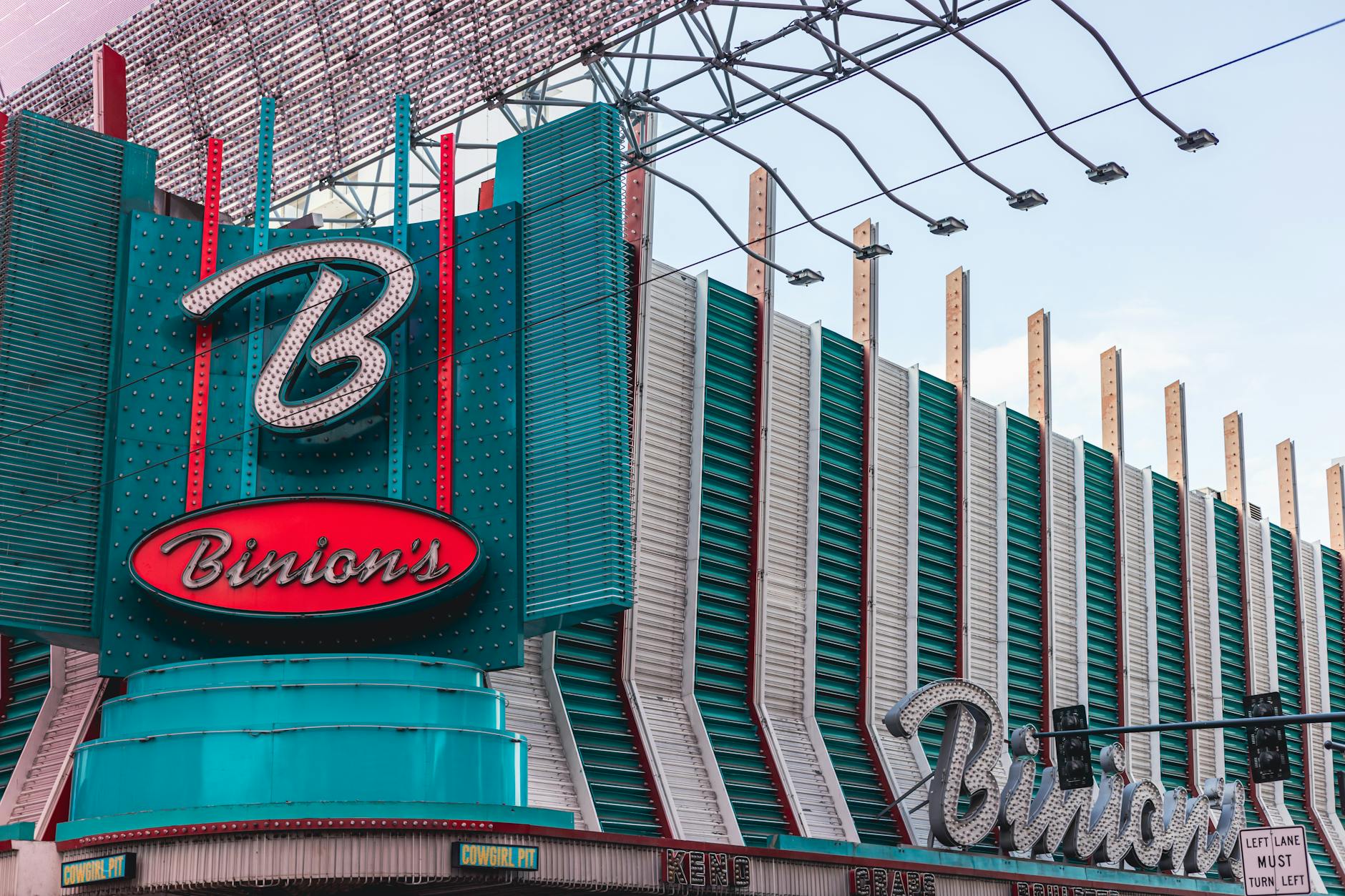
The history of Las Vegas casinos is a captivating tale that mirrors the evolution of American entertainment and culture. From its humble beginnings as a desert outpost to the vibrant hub of glitz and glamor we know today, Las Vegas has seen a remarkable transformation. This article will take you on a journey through time, exploring the iconic casinos Las Vegas that have shaped the city’s identity, such as the Flamingo and The Mirage. We’ll delve into the rich Las Vegas casino history, highlighting how these establishments contributed to the city’s unique culture and lifestyle. Along the way, we’ll examine the evolution of casino heritage in Las Vegas, tackling the challenges and controversies that have arisen throughout its storied past. Finally, we’ll reflect on the enduring legacy of Las Vegas casinos, which continue to draw millions of visitors each year. So, buckle up as we uncover the fascinating narrative behind one of the world’s most famous entertainment destinations.
The Fascinating History of Las Vegas Casinos
The Early Days of Gambling in Las Vegas
When we delve into the history of Las Vegas casinos, it’s impossible not to be captivated by the city’s humble beginnings. Gambling in Las Vegas traces back to the early 1900s, when the first betting establishments emerged. The town was officially founded in 1905, but it wasn’t until the construction of the Hoover Dam in the 1930s that Las Vegas began to flourish. The influx of workers created a demand for entertainment, and soon, small gambling joints began to pop up.
By 1931, Nevada legalized gambling, paving the way for the city’s transformation into a gaming mecca. The first official casino, the Northern Club, opened its doors shortly thereafter. This marked a pivotal moment in Las Vegas casino history, as it set the stage for what would become an iconic gambling destination. Early casinos were modest in comparison to today’s standards, yet they laid the groundwork for a burgeoning industry that would soon explode into a global phenomenon.
The Rise of Iconic Casinos in Las Vegas
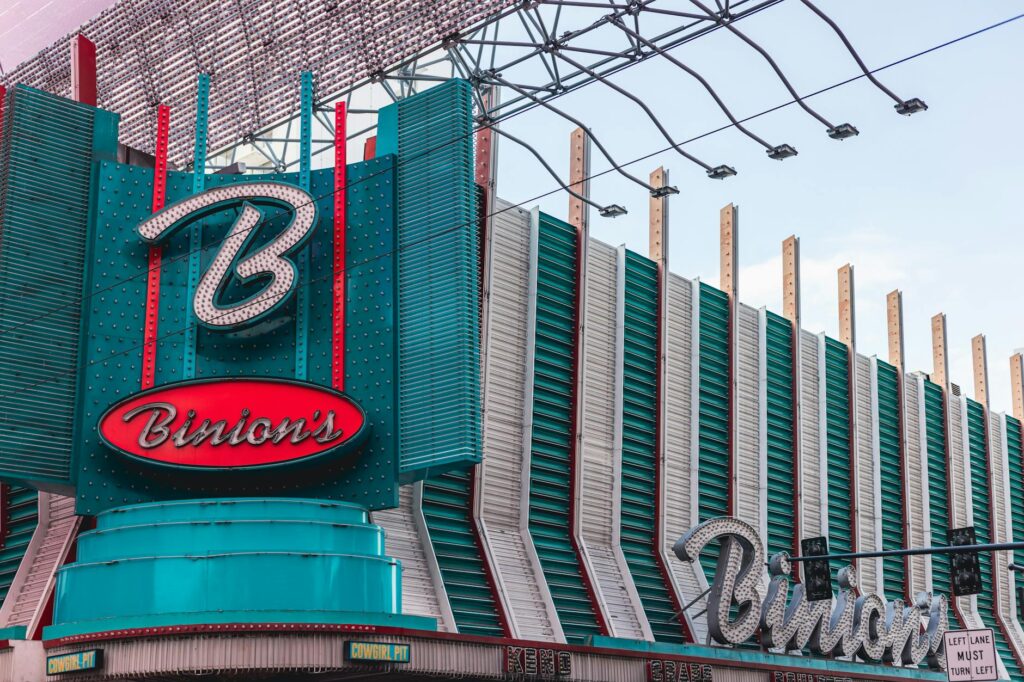
As we journey further into the history of Las Vegas casinos, we encounter the rise of iconic establishments that have become synonymous with the city’s identity. The Flamingo, opened by mobster Bugsy Siegel in 1946, was one of the first luxury hotels and casinos. Its lavish design and opulent amenities set a new standard for casino experiences, attracting visitors from all walks of life. This was followed by the Sands in 1952, which not only offered gaming but also hosted legendary entertainers like Frank Sinatra and Dean Martin, solidifying Las Vegas’s reputation as the Entertainment Capital of the World.
These establishments played a crucial role in shaping the casino heritage of Las Vegas. They introduced the concept of themed resorts, turning the city into a playground for adults. The architectural grandeur of these iconic casinos Las Vegas became a hallmark of the Strip, drawing millions of tourists yearly. The introduction of the casino resort model was revolutionary, creating an all-encompassing experience that included dining, shopping, and live performances, a far cry from the small betting houses of the past.
While some may argue that the commercialization of casinos has diluted the authenticity of the original gambling experience, it’s hard to deny the economic impact and cultural significance these iconic establishments have brought to Las Vegas. They have not only transformed the city into a bustling tourist hub but have also influenced gambling laws and casino designs worldwide. The Las Vegas casino history is a testament to the city’s ability to adapt and thrive, ensuring that it remains a focal point for entertainment and excitement.
Ultimately, the history of Las Vegas casinos showcases the evolution from simple gambling houses to sprawling entertainment complexes. As we reflect on this journey through time, it becomes clear that Las Vegas is not just a city built on chance; it is a vibrant tapestry woven from dreams, ambition, and an unyielding desire to entertain.
Iconic Casinos and Their Contribution to the City’s Culture
The history of Las Vegas casinos is not just about the games played or the money won; it’s about the vibrant culture that these establishments foster. Iconic casinos like the Flamingo and the Sands have played pivotal roles in shaping the entertainment landscape of this city, creating a unique blend of glamour, excitement, and cultural significance.
The Flamingo: A Game Changer
Opened in 1946, the Flamingo was one of the first luxury hotels in Las Vegas, setting a new standard for the casino experience. Its founder, Bugsy Siegel, envisioned a resort that was not only about gambling but also about providing an exceptional experience for guests. The Flamingo introduced lavish amenities such as swimming pools, lush gardens, and extravagant shows. This shift towards a comprehensive entertainment experience marked a turning point in Las Vegas casino history. The Flamingo’s success paved the way for future developments, encouraging other casinos to adopt similar approaches that integrated luxury accommodations and high-quality entertainment.
The Sands and the Rat Pack Era
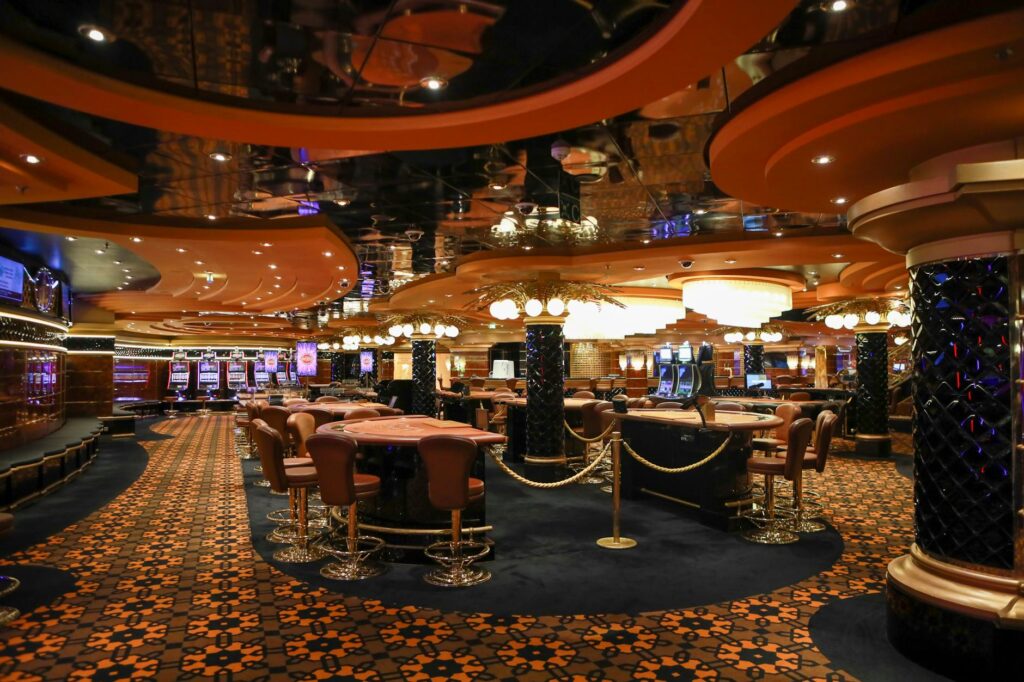
Just as impactful was the Sands Hotel and Casino, which became synonymous with the Rat Pack during the 1960s. Legends like Frank Sinatra, Dean Martin, and Sammy Davis Jr. graced its stage, creating a cultural phenomenon that linked music, entertainment, and gambling. The Sands was more than a casino; it was a hub for the glamorous lifestyle that defined Las Vegas during this era. This connection to the Rat Pack not only solidified the Sands’ place in the casino heritage but also cultivated a lasting image of Las Vegas as a playground for the rich and famous, attracting visitors from around the world.
While some may argue that the modern landscape of Las Vegas has shifted towards corporate chains and mega-resorts, the essence of these iconic casinos remains. They laid the groundwork for the city’s identity as a cultural and entertainment capital, influencing everything from music to fashion. The contributions of the Flamingo and the Sands to the history of Las Vegas casinos illustrate how gambling is intertwined with the broader cultural narrative of the city.
Ultimately, it is the stories and the characters that have emerged from these iconic casinos that continue to resonate with both locals and tourists. Their legacy serves as a reminder of the vibrant spirit that has made Las Vegas what it is today, a city that thrives on the excitement of chance, the allure of entertainment, and the rich tapestry of its history.
The Evolution of Casino Heritage in Las Vegas
Las Vegas has long been synonymous with glitz, glamour, and gaming. However, the history of Las Vegas casinos is not just about neon lights and high-stakes poker; it is a narrative shaped by evolving regulations and innovative designs that have redefined the casino landscape over the years. As we explore this evolution, it becomes clear that both regulatory frameworks and modern design innovations play pivotal roles in shaping Las Vegas casino heritage.
The Impact of Regulations and Legal Changes
The journey of Las Vegas casinos began in the early 20th century, but it was the pivotal legalization of gambling in 1931 that sparked the transformation from a sleepy desert town to a bustling entertainment hub. This regulatory change allowed for the rapid growth of iconic casinos in Las Vegas, creating a flourishing market that attracted visitors from around the world. Additionally, the introduction of the Nevada Gaming Control Act in 1955 established a framework for fair play and oversight, which further legitimized the industry and fostered public confidence.
However, with each wave of regulation, there have been challenges. The 2005 introduction of smoke-free policies in casinos, for instance, was met with resistance from both players and operators, who argued that it could impact the social atmosphere. Yet, these changes have led to a more inclusive environment, ultimately enhancing the appeal of Las Vegas as a destination for a broader audience. The ongoing evolution of regulations reflects a balancing act between maintaining the unique character of Las Vegas casino history and addressing modern societal concerns.
Modern Innovations in Casino Design and the History of Las Vegas Casinos
Modern innovations play a crucial role in the continued evolution of Las Vegas casino heritage. Today’s casinos are more than just gambling venues; they are immersive experiences designed to captivate and entertain. The integration of advanced technology, including virtual reality and AI, has transformed how games are played and experienced. For instance, the introduction of cashless gaming options has simplified transactions, making it easier for guests to enjoy their time without the hassle of cash.
Moreover, modern architectural designs, such as those seen in the newer resorts like The Cosmopolitan and Wynn, reflect an emphasis on luxury and guest experience, marking a departure from the traditional casino layouts of the past. These innovations not only attract tourists but also reinforce Las Vegas’s reputation as a leader in entertainment and gaming.
As we look back on the history of Las Vegas casinos, it’s evident that every regulatory change and design innovation contributes to a rich tapestry of casino heritage. The evolution serves as a reminder that Las Vegas is not just a destination for gaming but a continuously adapting landscape that balances tradition and modernity, ensuring its place at the forefront of global entertainment.
Challenges and Controversies in the History of Las Vegas Casinos
The history of Las Vegas casinos is not just about glitz and glamour; it also encompasses a multitude of challenges and controversies that have shaped its legacy. While the allure of gambling draws millions of visitors each year, we must also confront the darker aspects of this vibrant industry. From gambling addiction to crime and their impacts on local communities, these issues raise important questions about the sustainability of casino heritage in Las Vegas.
The Dark Side of Gambling
Gambling addiction remains a serious concern in Las Vegas, affecting not only the individuals who struggle with it but also their families and communities. According to the National Center for Biotechnology Information, approximately 1% of the adult population in the U.S. meets the criteria for gambling disorder, a number that is significantly higher in places like Las Vegas. The casinos, while offering entertainment, often find themselves at the center of debates about responsible gambling practices and the social responsibility of casino operators.
Moreover, the casino environment can sometimes exacerbate criminal activities, ranging from petty theft to organized crime. These issues have led to heightened scrutiny from law enforcement and local governments, challenging the image of Las Vegas as a safe playground for adults. The balance between maintaining a thriving casino economy and ensuring community safety is a tightrope walk that the city continues to navigate.
The Future of Iconic Casinos Las Vegas
As we look to the future, the landscape of iconic casinos in Las Vegas is bound to evolve. Changing social attitudes toward gambling, particularly among younger generations, could reshape what these establishments look like and how they operate. Many newer casinos are already incorporating family-friendly attractions and emphasizing entertainment over traditional gambling to appeal to a broader audience.
Economic conditions, too, will play a pivotal role in shaping the future of Las Vegas casino history. The COVID-19 pandemic prompted a reevaluation of business models and health protocols, leading to innovations in technology and customer engagement. For instance, the rise of mobile betting apps and contactless payment systems reflects a shift towards a more tech-savvy approach to gambling, catering to a generation that values convenience and safety.
while the history of Las Vegas casinos is filled with iconic moments and landmarks, the challenges and controversies surrounding them cannot be overlooked. As the industry adapts to changing societal norms and economic realities, it will be crucial for operators to address these issues head-on, ensuring that the allure of Las Vegas remains vibrant and responsible for generations to come.

Conclusion: The Enduring Legacy of Las Vegas Casinos
The history of Las Vegas casinos is not just a chronicle of brick-and-mortar establishments; it is a rich tapestry that has woven itself into the very fabric of American culture and identity. These iconic casinos in Las Vegas have transcended their roles as mere gambling venues, evolving into symbols of entertainment, extravagance, and ambition. Their legacy has shaped not only the city of Las Vegas but also the broader gambling culture across the nation.
Throughout the decades, the evolution of Las Vegas casino history reflects the changing social dynamics and economic landscapes of America. From the early days of the Flamingo, which set the stage for the modern casino experience, to the mega-resorts that dominate the Strip today, each era has left an indelible mark. The influence of these establishments extends beyond their neon lights and lavish interiors; they have become a template for casinos worldwide, influencing designs and operational strategies far beyond the Nevada state line.
Yet, as we celebrate this vibrant history, it is crucial to recognize the importance of preserving the heritage of these establishments. Many iconic casinos in Las Vegas have faced the threat of demolition or drastic renovation in the name of modernization. While change is often necessary, it should not come at the expense of the unique stories and experiences that these venues embody. The legacy of Las Vegas casinos is a testament to innovation and resilience, and preserving their history will ensure future generations can appreciate the origins of this unique cultural phenomenon.
In a world where the landscape of entertainment continues to evolve rapidly, maintaining the casino heritage of Las Vegas serves as a reminder of the city’s storied past and the dreams it has inspired. By honoring this rich history of Las Vegas casinos, we not only celebrate the achievements of yesterday but also pave the way for a future that respects and builds upon the foundations laid by those who came before us. After all, every chip tossed at the gaming table and every show-stopping performance is a nod to the enduring legacy of these remarkable institutions.
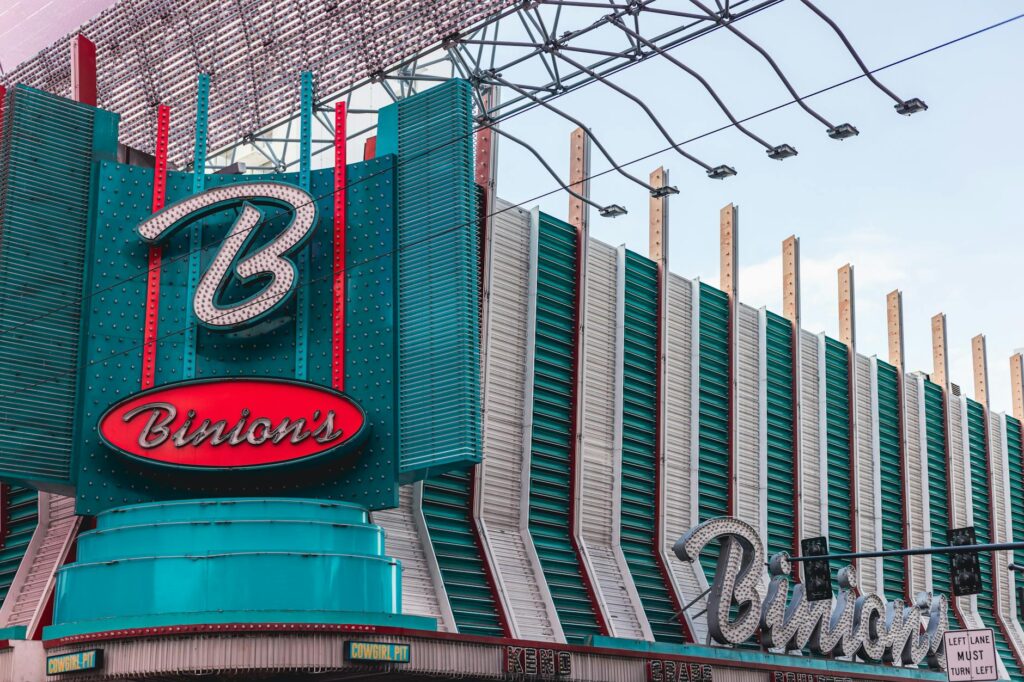
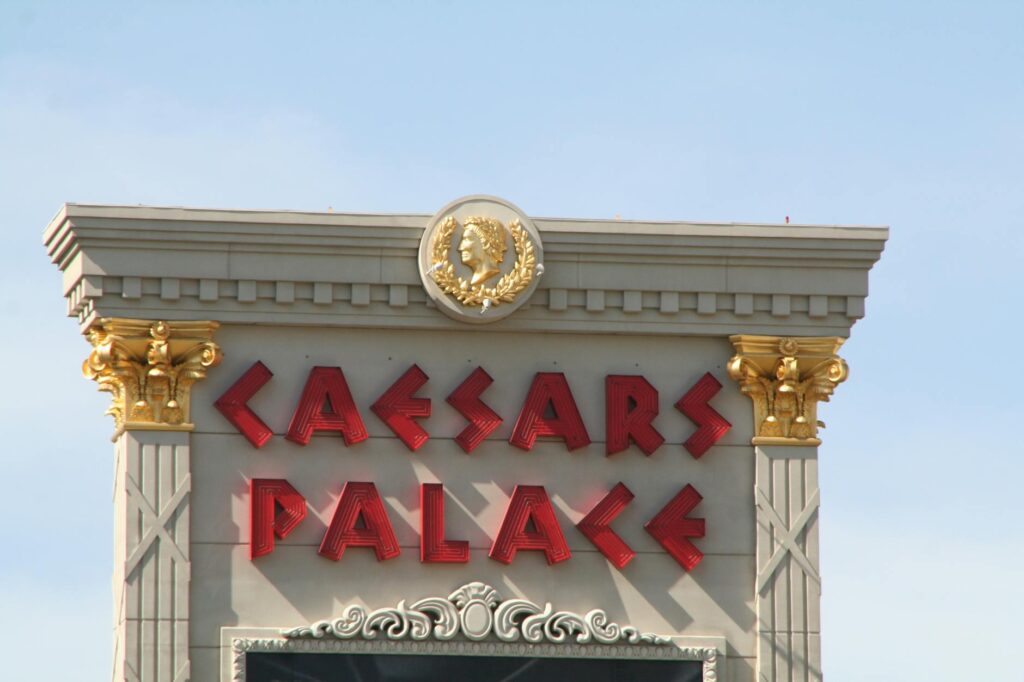
The history of Las Vegas casinos is not just a tale of neon lights and entertainment; it’s a rich tapestry woven from the dreams and ambitions of countless individuals. From the early days of modest gambling establishments to the rise of iconic casinos in Las Vegas like the Bellagio and Caesars Palace, each era has contributed to the vibrant Las Vegas casino history we know today. The evolution of these venues reflects broader social and economic changes, making them an essential part of American culture.
As you explore the fascinating casino heritage of Las Vegas, consider visiting some of these legendary sites to truly appreciate their significance. Whether you’re a history buff or simply looking to experience the excitement of the Strip, each casino tells a story, inviting you to be part of its ongoing legacy. So, grab your tickets and dive deeper into the enchanting world of Las Vegas casinos. Your adventure awaits!
“`html
What is the history of Las Vegas casinos?
The history of Las Vegas casinos dates back to the 1930s, when gambling was legalized in Nevada. The first casino, the Pair-O-Dice, opened in 1931. Over the decades, the city transformed into a gambling and entertainment hub, with the construction of iconic casinos like the Flamingo and the Sands. The 1950s and 1960s marked the rise of lavish resorts, while the 1980s and 1990s saw the emergence of mega-casinos, redefining the Las Vegas landscape and offering diverse attractions beyond just gaming.
Which are the most iconic casinos in Las Vegas?
Some of the most iconic casinos in Las Vegas include the Bellagio, known for its stunning fountains, and the Venetian, famous for its gondola rides. The MGM Grand, with its massive size and entertainment options, and the historic Caesars Palace, which epitomizes luxury, are also significant. Each of these casinos offers a unique experience that contributes to the overall allure of Las Vegas, making them integral to its casino heritage.
How has Las Vegas casino history evolved over time?
The evolution of Las Vegas casino history reflects broader societal changes. Initially, casinos were small establishments focused primarily on gaming. As tourism increased, particularly in the post-World War II era, casinos expanded into complex resorts offering entertainment, dining, and shopping. The introduction of themed resorts in the 1990s and the ongoing integration of technology, like online gaming, highlight how casinos adapt to changing consumer preferences while maintaining their core appeal as entertainment destinations.
What are the key milestones in the history of Las Vegas casinos?
Key milestones in the history of Las Vegas casinos include the legalization of gambling in 1931, the opening of the Flamingo in 1946 by mobster Bugsy Siegel, and the establishment of the Strip as a premier destination in the 1950s. The 1989 opening of The Mirage marked the beginning of the mega-resort era, followed by the construction of landmark casinos like the Bellagio and Wynn Las Vegas. Each of these milestones has significantly shaped the Las Vegas casino landscape.
How do iconic casinos contribute to Las Vegas culture?
Iconic casinos contribute to Las Vegas culture by serving as symbols of the city’s identity and a focal point for entertainment and tourism. They host world-class shows, events, and dining experiences, attracting millions of visitors each year. Moreover, these establishments often serve as cultural landmarks that reflect the unique history and evolution of Las Vegas, showcasing art, architecture, and themed experiences that resonate with both tourists and locals alike.
What challenges do Las Vegas casinos face today?
Las Vegas casinos face several challenges today, including competition from online gambling and other entertainment options outside of traditional gaming. Economic fluctuations and changes in consumer behavior also impact revenue. Additionally, the COVID-19 pandemic brought unprecedented challenges, leading to temporary closures and reduced capacity. Adapting to new health guidelines while enhancing the overall guest experience is crucial for casinos to maintain their relevance in an evolving market.
“`